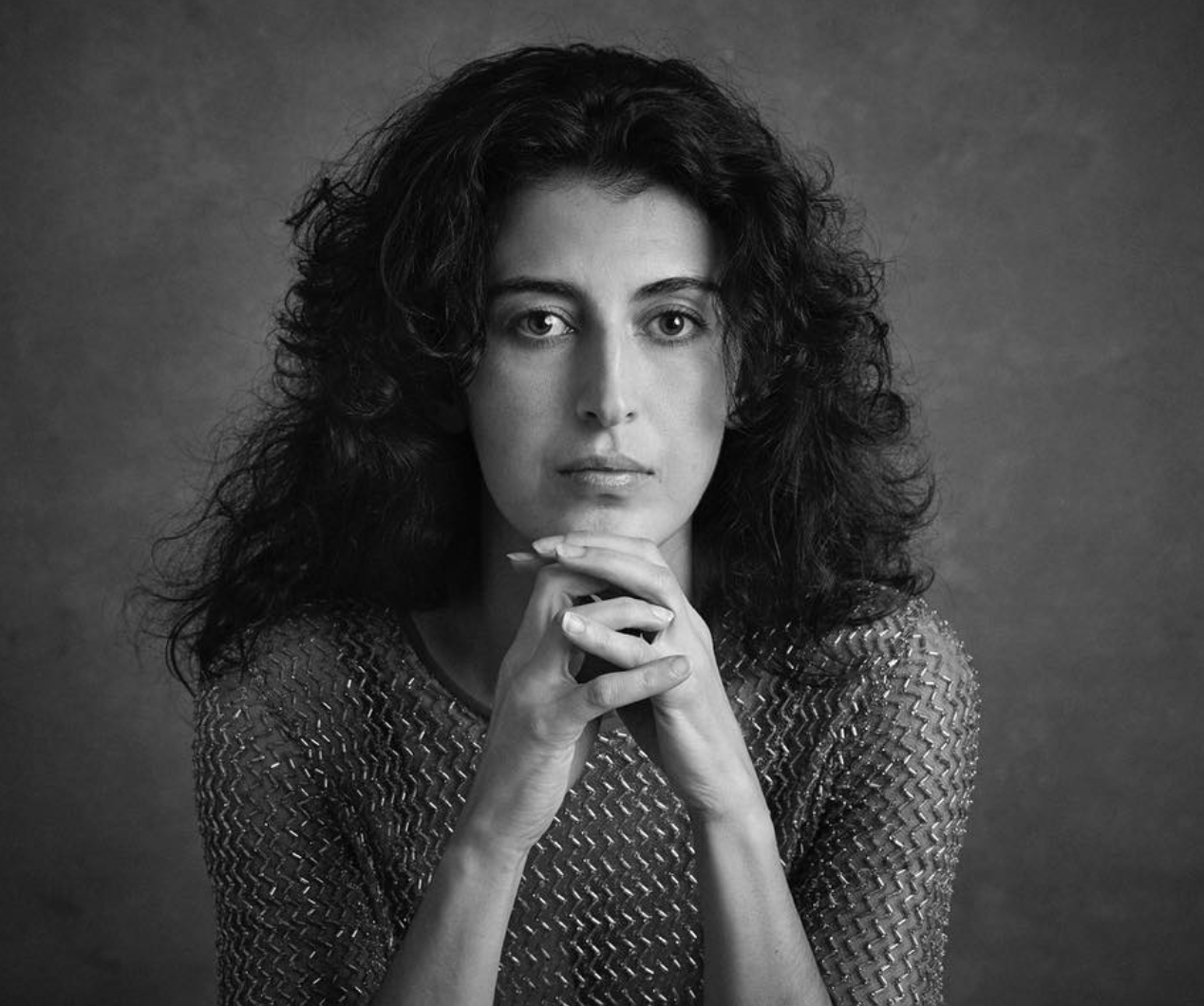
Omur Ozkoyuncu
Photographer — United Kingdom
Omur is a professional photographer based in the United Kingdom, with a global reach in providing editorial and editorial-style photography services to diverse media industries. Her work encompasses features, portraits, case studies, and documentary-style work. With academic credentials including an MSc in Physician Associate Studies, a BA, and an MA, she brings a wealth of knowledge and a commitment to continuous learning to both healthcare and multimedia endeavors. As a photographer, I strive to capture the world's essence, revealing hidden beauty and stories. Photography is my language, transcending boundaries and connecting deeply with people. I'm fascinated by light, shadow, color, and contrast, seeking moments that stir emotions and thoughts. My visual stories transport viewers into scenes, inviting them to share emotions, experiences, and narratives frozen in time.
You mention that photography is your language, transcending boundaries and connecting deeply with people. How do you ensure your photographs effectively communicate your message and connect with viewers on a profound level?
For me, effective communication begins with a clear understanding of the emotions and stories I want to convey through my photographs. Before I even pick up my camera, I spend time reflecting on the themes and messages I want to explore. Once I'm in the field, I approach each scene with intentionality, carefully considering composition, lighting, and perspective to ensure that every element of the image contributes to the overall narrative. By infusing my photographs with authenticity and emotion, I aim to create images that resonate with viewers on a personal level, sparking a sense of connection and empathy.
Light, shadow, color, and contrast are highlighted as elements you're fascinated by in your work. Can you discuss how you use these elements to evoke emotions and provoke thoughts in your photographs?
Light, shadow, color, and contrast are powerful tools for evoking mood and atmosphere in photography. I often seek out scenes where these elements are particularly dramatic or dynamic, as they can add depth and visual interest to an image. For example, I might wait for the golden hour to capture the warm, soft light of sunset casting long shadows across a landscape, or I might use bold color and high contrast to create a sense of drama and intensity. By carefully manipulating these elements, I'm able to imbue my photographs with a sense of emotion and intrigue, inviting viewers to linger and explore the hidden stories within each frame.
Your work spans various genres, including features, portraits, case studies, and documentary-style photography. How do you adapt your approach when working across these different genres?
My approach varies depending on the genre, but the core principles of storytelling and emotional connection remain constant. For features and portraits, I focus on capturing the personality and essence of the subject, often engaging in conversation to put them at ease and reveal their true selves. In case studies and documentary-style work, I immerse myself in the environment and observe closely, allowing the natural flow of events to guide my photography. Each genre requires a unique balance of preparation and spontaneity, ensuring that I can convey the authentic story of the subject or scene.
Given your extensive background in both healthcare and multimedia, how do these fields influence each other in your work?
My background in healthcare has profoundly influenced my photographic practice by heightening my sensitivity to human experiences and stories. The empathy and observational skills developed in healthcare enable me to connect more deeply with my subjects, especially in documentary and portrait work. Conversely, my work in multimedia enriches my approach to healthcare, fostering creativity and innovative thinking in patient care and education. The interplay between these fields allows me to bring a unique perspective to each, enhancing my ability to communicate complex narratives effectively.
Can you share a specific project or photograph that had a significant impact on you and why?
One project that stands out is a documentary series I worked on about the lives of refugees in Europe. This project was emotionally challenging yet incredibly rewarding. I spent time with families, listening to their stories of hardship and resilience, and capturing moments of both sorrow and hope. One particular photograph of a young child playing amidst the ruins of a refugee camp profoundly impacted me. It encapsulated the stark contrast between innocence and the harsh realities of displacement. This project reinforced my belief in the power of photography to raise awareness and evoke empathy, motivating me to continue using my craft for social impact.
What advice would you give to aspiring photographers who are looking to develop their own style and voice in the field?
To aspiring photographers, I would say: immerse yourself in the world around you and remain curious. Developing your style and voice takes time and experimentation. Don't be afraid to explore different genres and techniques to discover what resonates with you. Study the work of photographers you admire, but also look for inspiration outside of photography — in literature, art, nature, and everyday life. Most importantly, practice regularly and be open to feedback. Your unique perspective is your greatest asset, so embrace it and let it shine through your work. Remember, authenticity and passion are key to creating compelling and meaningful photographs.