Get the Issue
Issue I — Print ↗Mide Placido
Visual Artist & Photographer — Coimbra, Portugal
Mide Placido, born in 1957, is a visual artist based in Coimbra, Portugal, working primarily through photography. She holds a degree in Painting from EUAC. The body and its understanding — particularly aging — are central themes in her work.
Can you tell us about your journey as a visual artist and how you got to photography?
Until 2012, I painted in my studio and worked as an art teacher at a school for pre-teens. For years, I explored freedom through the plastic effect of pictorial materials, chance, and the body in fluid gestures. It was an elixir for my happiness. However, in 2012, my personal life changed, and I decided to change everything that could be changed. I stopped working and started dedicating myself to art full-time. I returned to university to update and expand my knowledge and to get involved in new experiences, though photography wasn't yet part of my journey. One day, I came across a collective mentoring program in photography entitled "She." I felt simultaneously attracted to the title and uneasy about the photography aspect due to some preconceived notions. Nevertheless, I embraced the experience. Why not paint with light instead of paint? Today, my work has evolved. While the element of freedom remains, it has expanded in its purpose.
Does your background in painting influence your photography?
My background in painting is deeply influenced by my knowledge of art history. Regardless of the technology I use, I draw inspiration from it. For example, Pablo Picasso used his work to highlight the realities of his time and draw attention to existing problems. Similarly, I aim for my research to be committed to today's social realities, evoking what affects me and others within it.
What inspired you to address the marginalization of older people through your art?
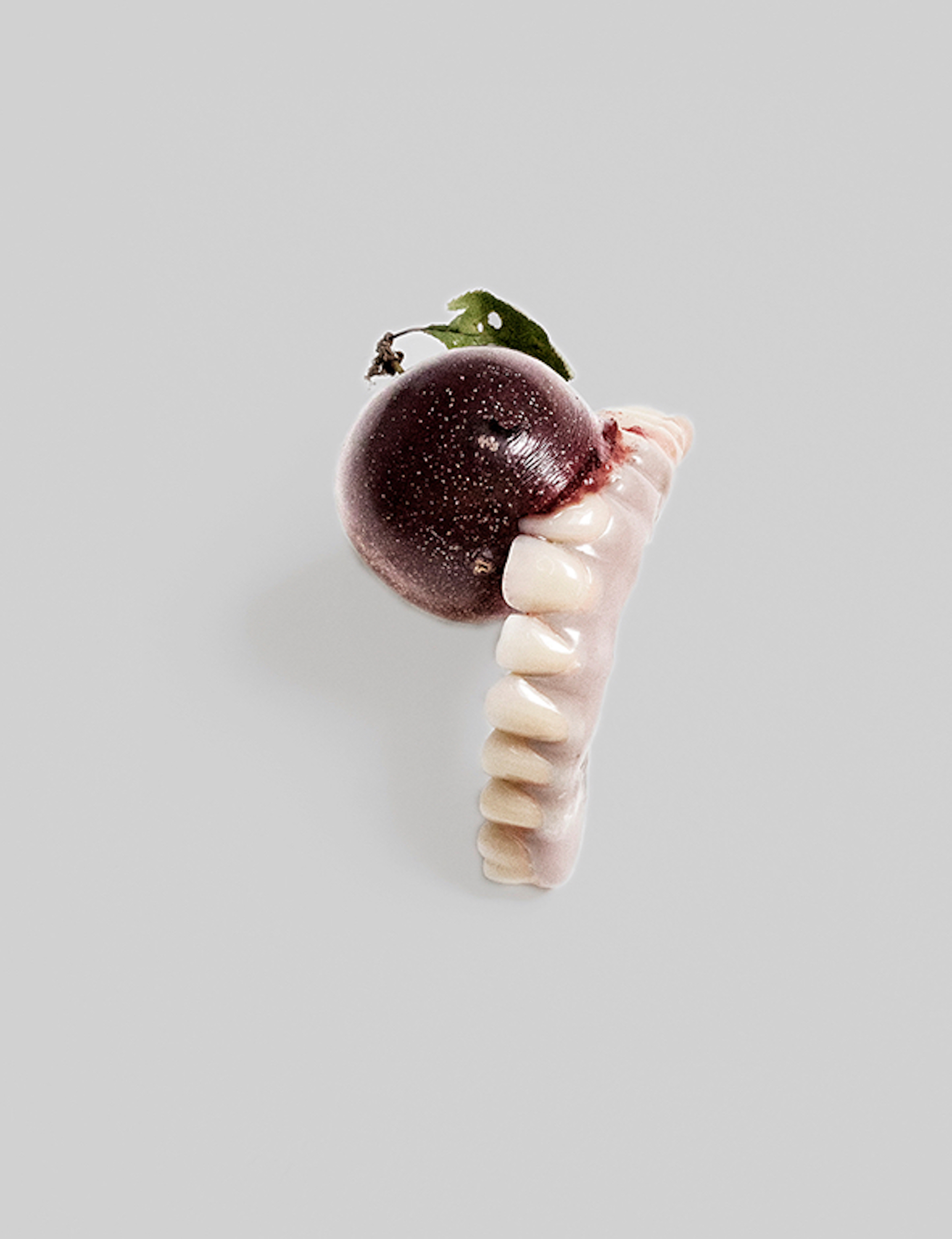
As I am experiencing the aging process myself, I realize what it means to grow older. I see that a woman's aging process is different from a man's. Society often views aging as unacceptable, leading many older people, especially women, to become slaves to a forced youth in order to fit into the always-young pattern. This fear of aging stems from society's perception of older people as being incapacitated. We must be able to choose, without coercion, how to react and continue with the natural process of aging. After all, with luck, we will all grow old one day, right?
How do body, heat, ice, and time symbolize aging in your work?
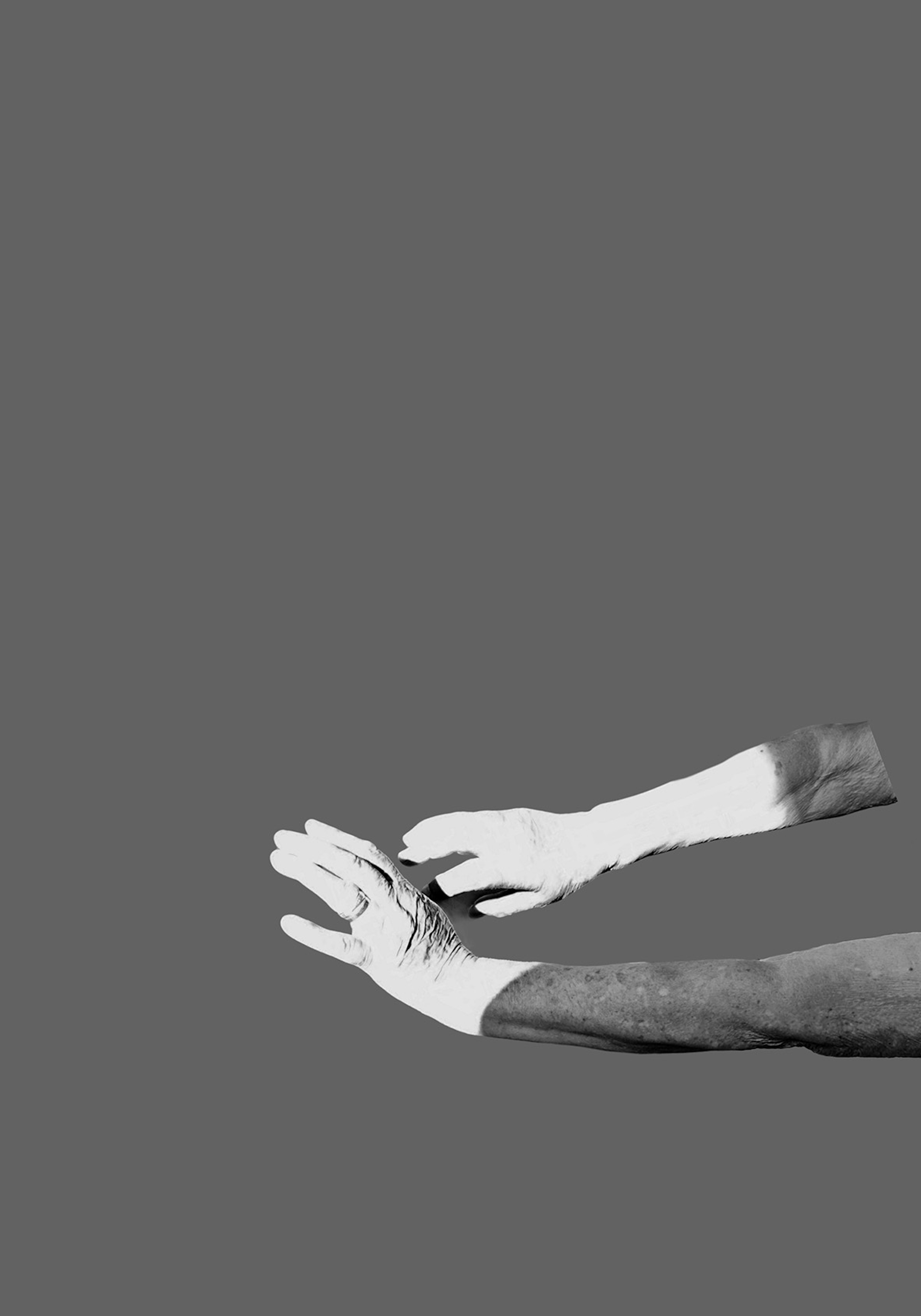
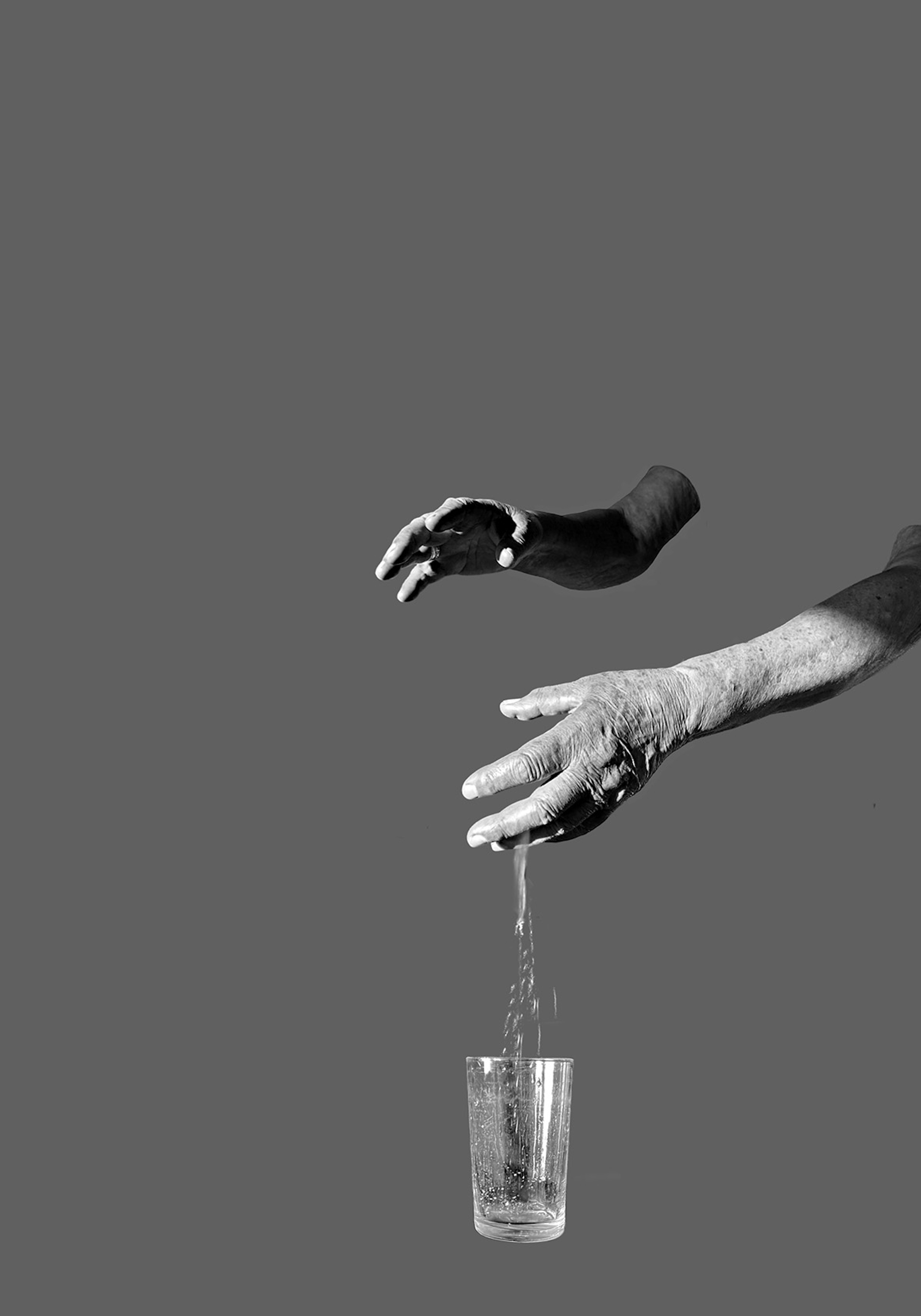
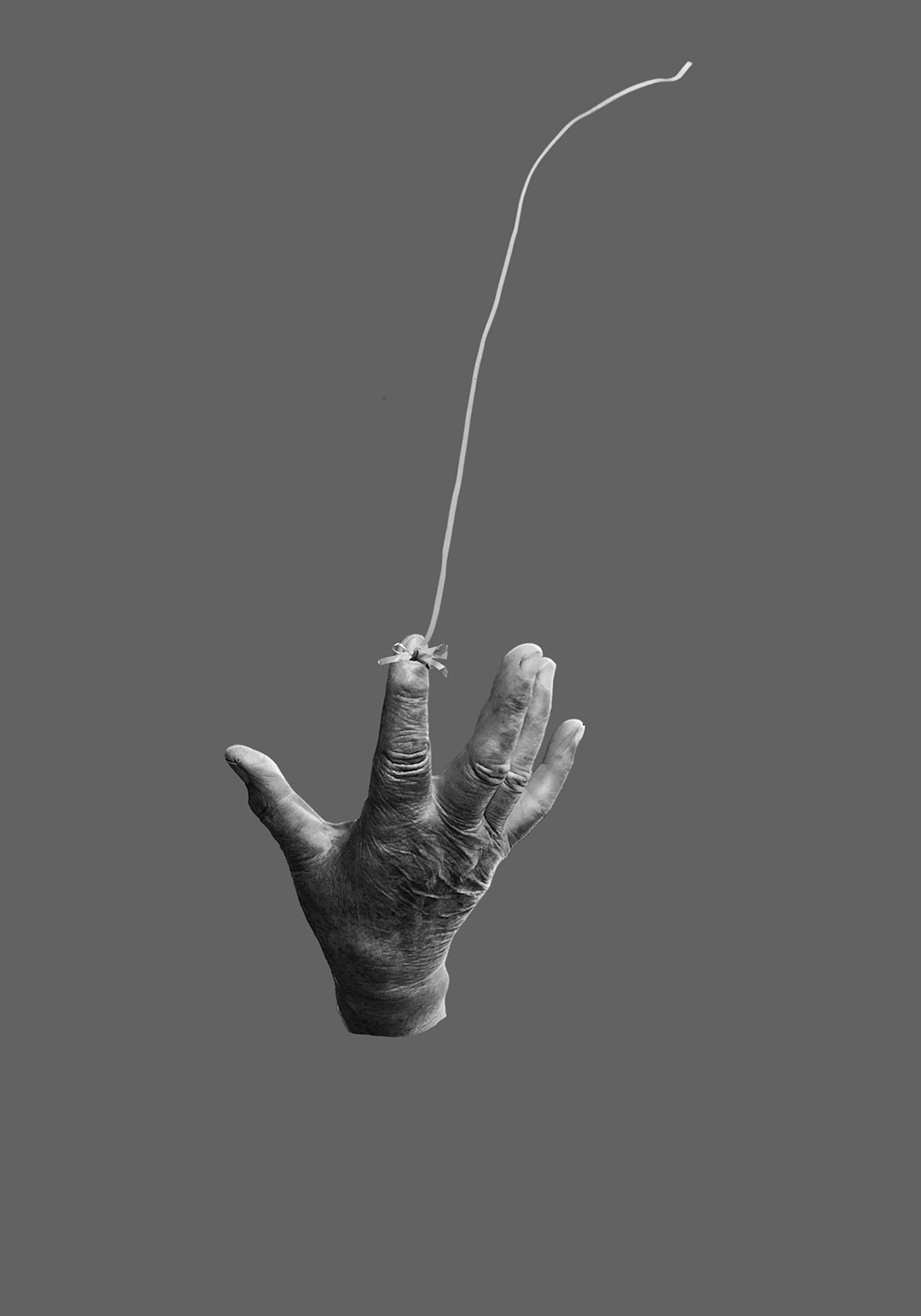
Initially, I thought of these elements as natural signs of transformation, as basic as the thirst we all feel within ourselves. These elements are metaphorically strong for my work. I transitioned from depicting the mouth to depicting the hand, as signs of waiting. The title "Warming the Ice with the Body" remained, but the project is still ongoing.
How can art influence societal views on aging?
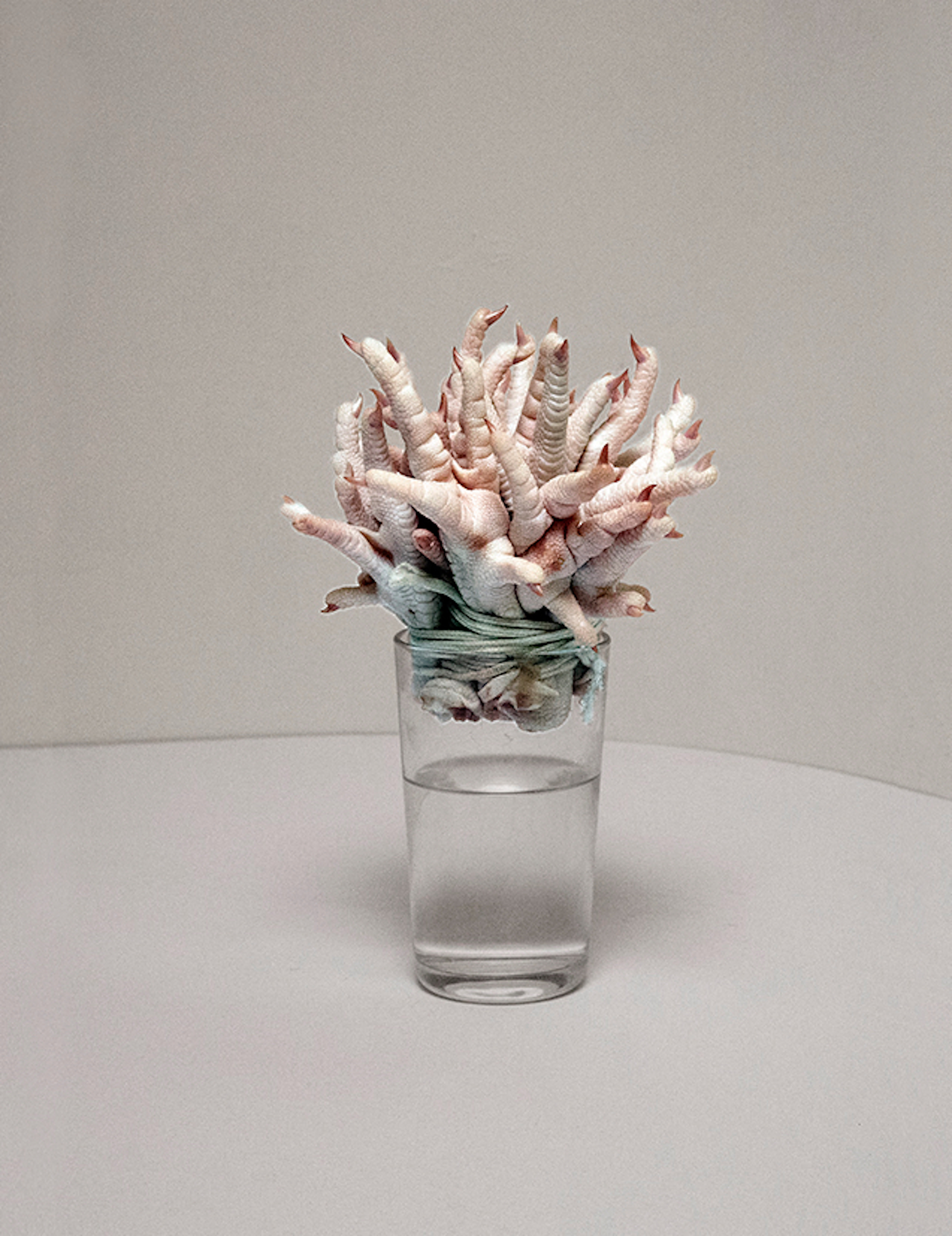
Art can play a crucial role as an agent of awareness and transformation in society. The artist's unique perspective can influence and change deep-rooted perceptions about our elders and other issues affecting us. People often feel distant from problems that don't directly impact their lives, such as the marginalization of older people. However, when these issues are highlighted artistically, they become more tangible and impactful, leading to reflection on the importance of combating this reality. This is my hope.
What role do freedom and symbolic absurdity play in 'Warming the Ice with the Body'?
My work stems from a desire to investigate the lack of meaning in today's society. It is my small, free, and revolutionary act against the incongruous world we live in. Society, in my view, is a well of bizarre artistic works waiting to be created. Therefore, I invent alternative narratives and absurd constructions as an antidote to the absurdity contained within. Dadaism, for example, questioned traditional societal values through absurd artistic manifestations.
What has been the most memorable response to your work, either from an exhibition or an individual viewer?
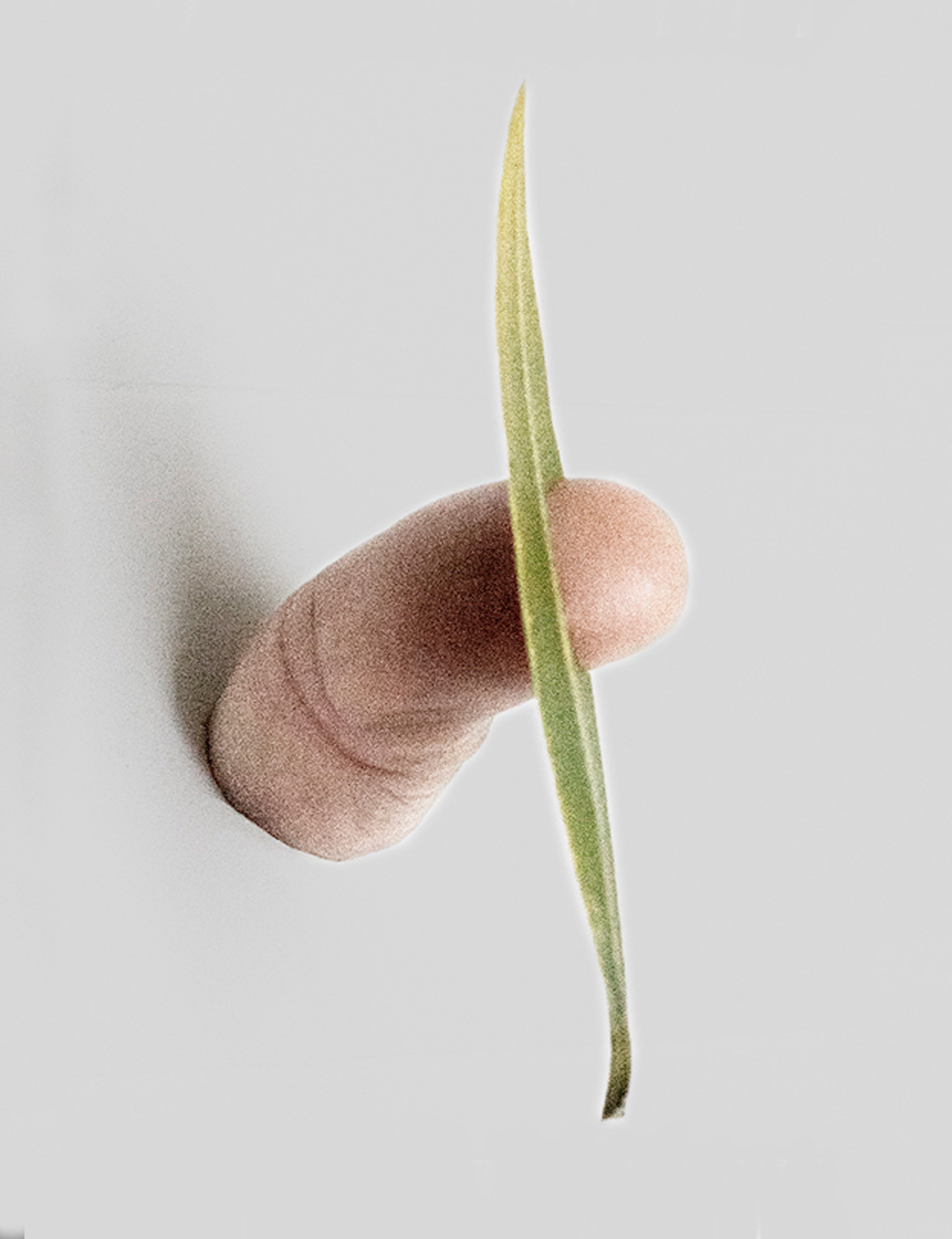
In 2018, I exhibited a set of photographs from a project entitled "Grab Them by the Pussy" in two countries with very different cultural characteristics. These images of fetishized bodies, reminiscent of the feminine, showed reactions to the veiled violence implicit in double-meaning words that circulate around women's bodies. On the opening days of both exhibitions, I noticed that my work seemed to stop men in their tracks. Most women glanced at the images sideways and moved on. I haven't forgotten this because I am still trying to understand why.