Website
joanpfart.com/ ↗Get the Issue
Issue IV — Print ↗Joan Pañell
Painter — Barcelona, Spain
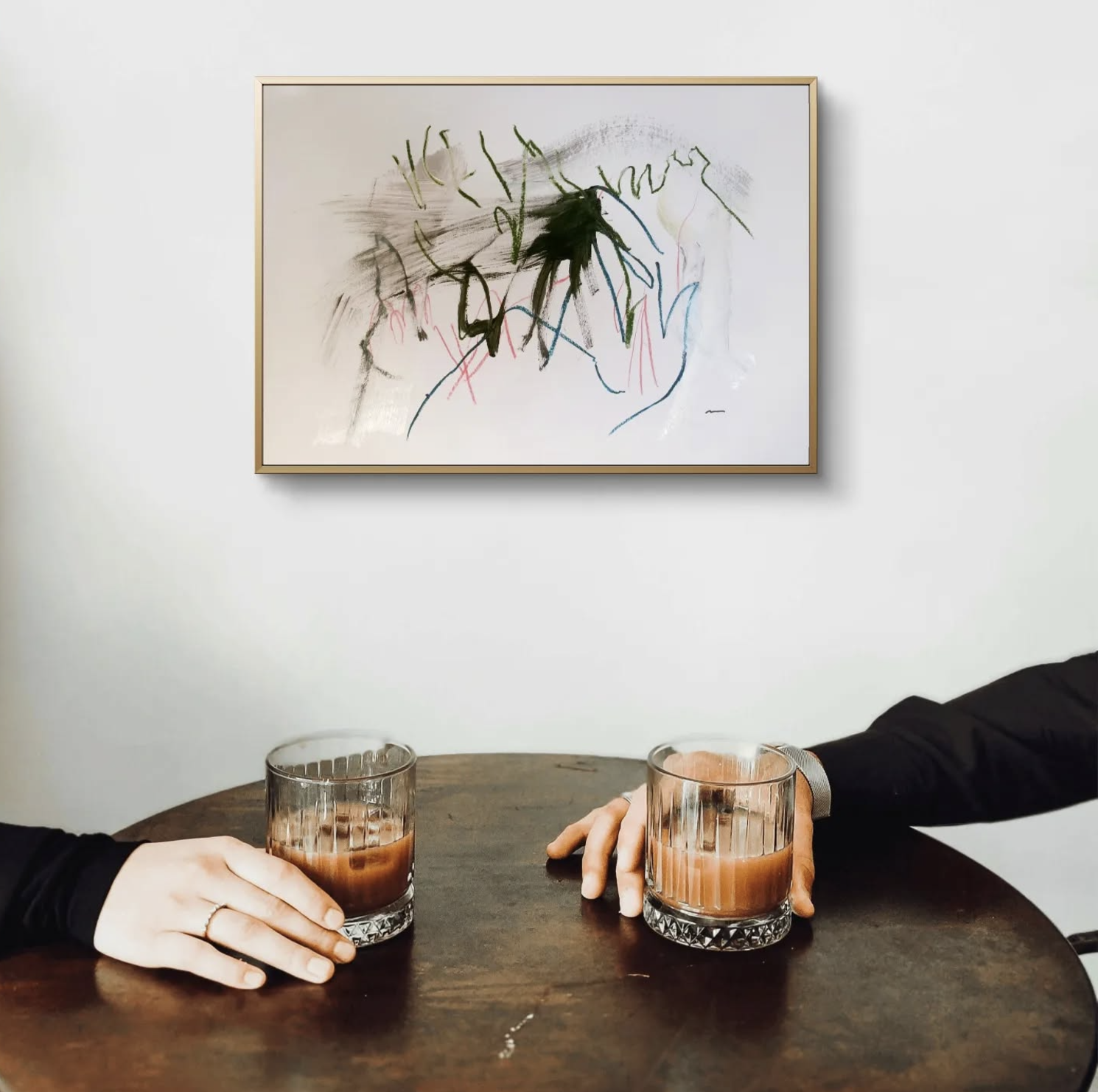
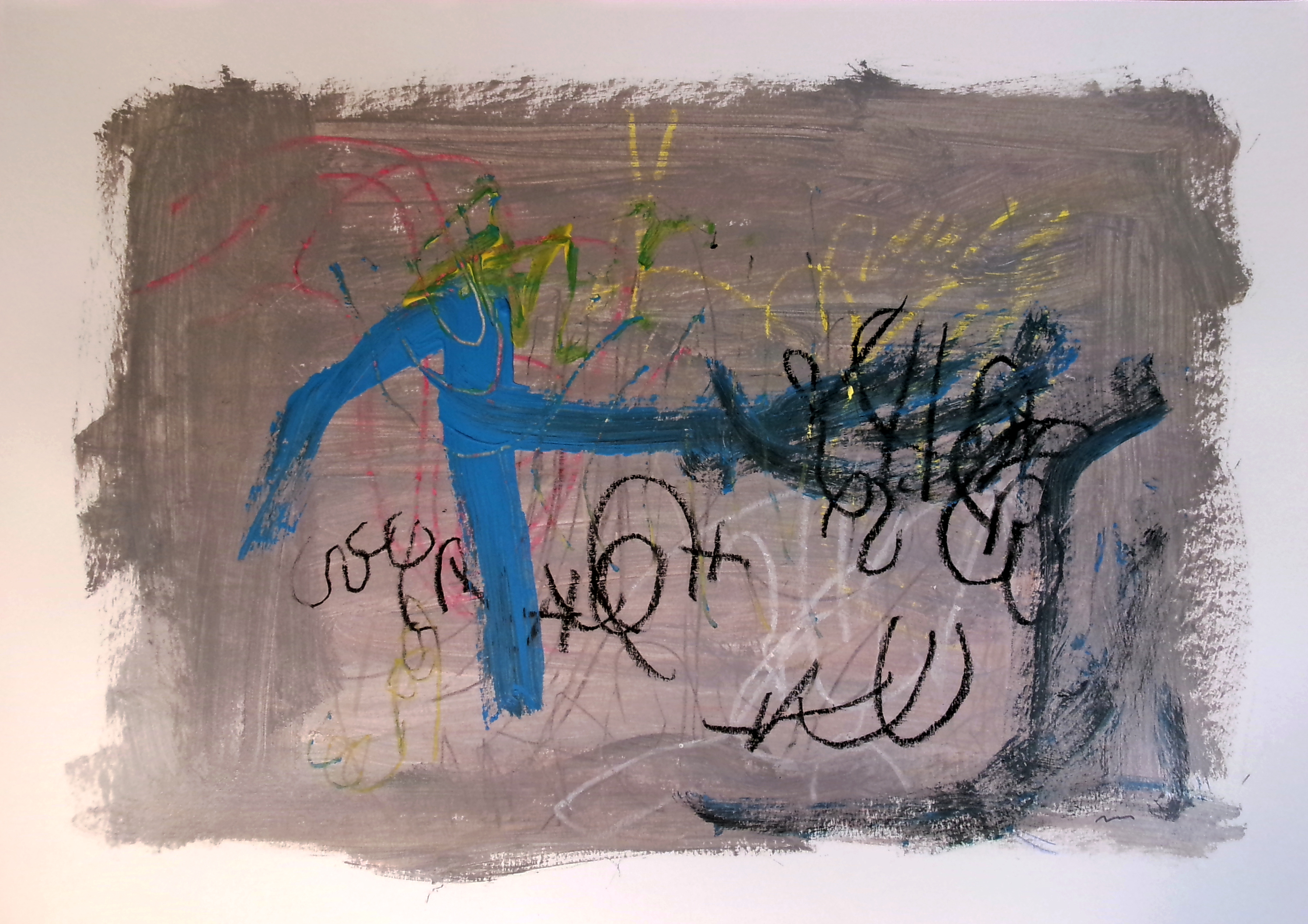
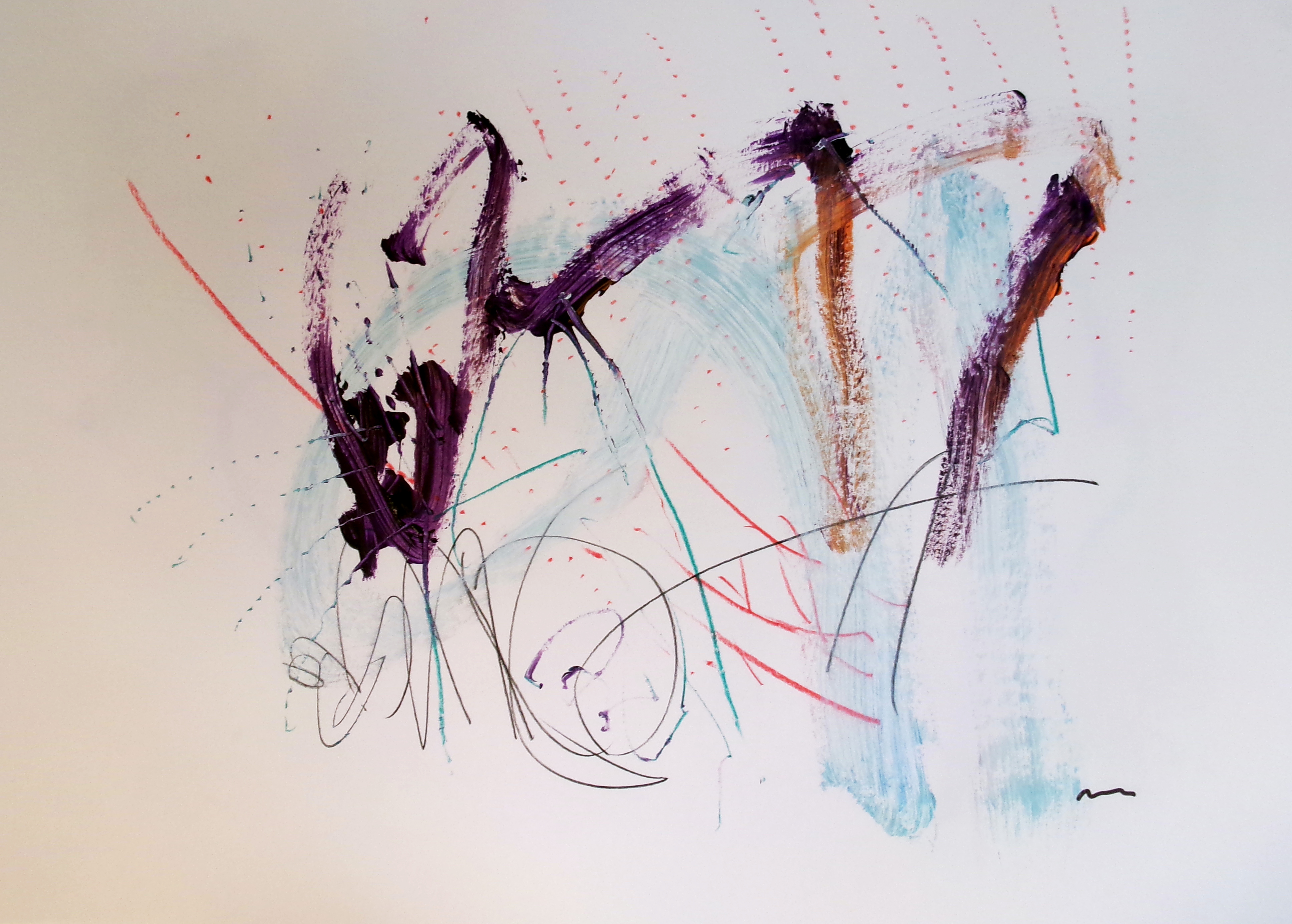
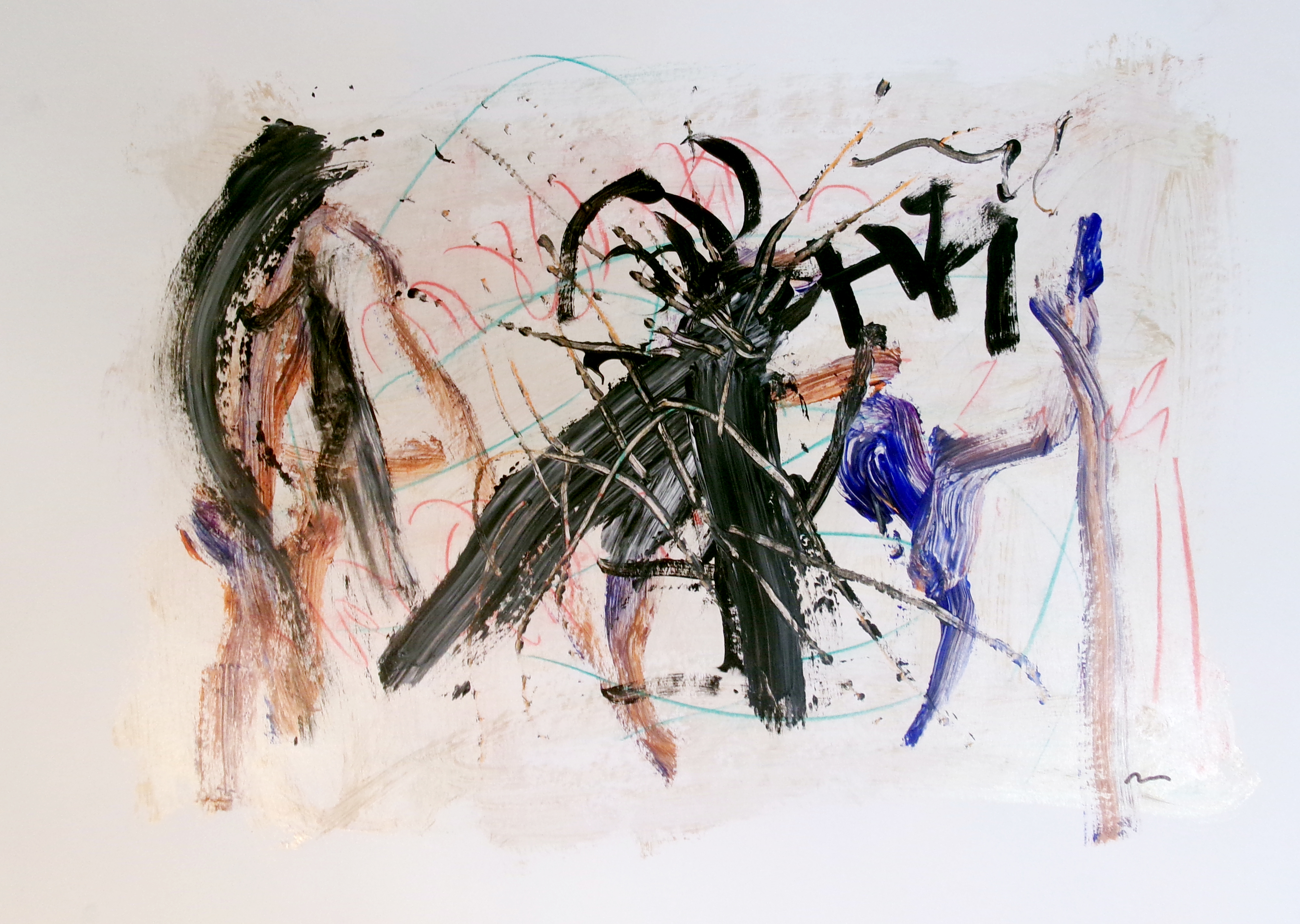
Joan Pañell Fernández de Liencres is a self-taught artist from Barcelona, born in 1998. Painting since 2020, his work is characterized by bright colors and dynamic brushstrokes, exploring emotion, memory, and the subconscious through abstract forms.
Tell us about your journey; as an artist it began in 2020. What inspired you to start painting, and how has your practice evolved since then?
After a rough patch in my life, I turned to painting as a form of refuge. I have always been good at art from a young age, so it felt natural to return to painting to reconnect with my roots and stabilize my life and mind. I discovered that it was a wonderful tool for self-expression, and I now use painting as a form of therapy. It fulfills the need to create that I feel within me. I started painting figuratively, and after a couple of years, I transitioned to abstract painting following an abstract painting commission. I instantly connected with abstraction. It showed me the path I want to follow and pursue as an artist. I paint as much as I can, and in the future, I would like to create larger works.
Your art reflects a blend of emotional depth and technical precision. Can you walk us through the stages of your creative process, from concept to completion?
My creative process is deeply instinctual, guided by an emotional spark that draws me to the canvas. I begin with unrestrained gestures and marks, allowing myself to flow. From there, I follow the direction the piece takes, layering textures, colors, and forms in an intuitive dialogue. Each stroke responds to the one before it, a spontaneous exploration of contrasts and harmonies. The painting is complete when it feels alive, as if it has spoken back to me, signaling that it's ready to exist on its own.
Your use of bright colors and lively brushwork is distinctive. How do you decide on your palette, and how does it help you communicate the emotions behind your art?
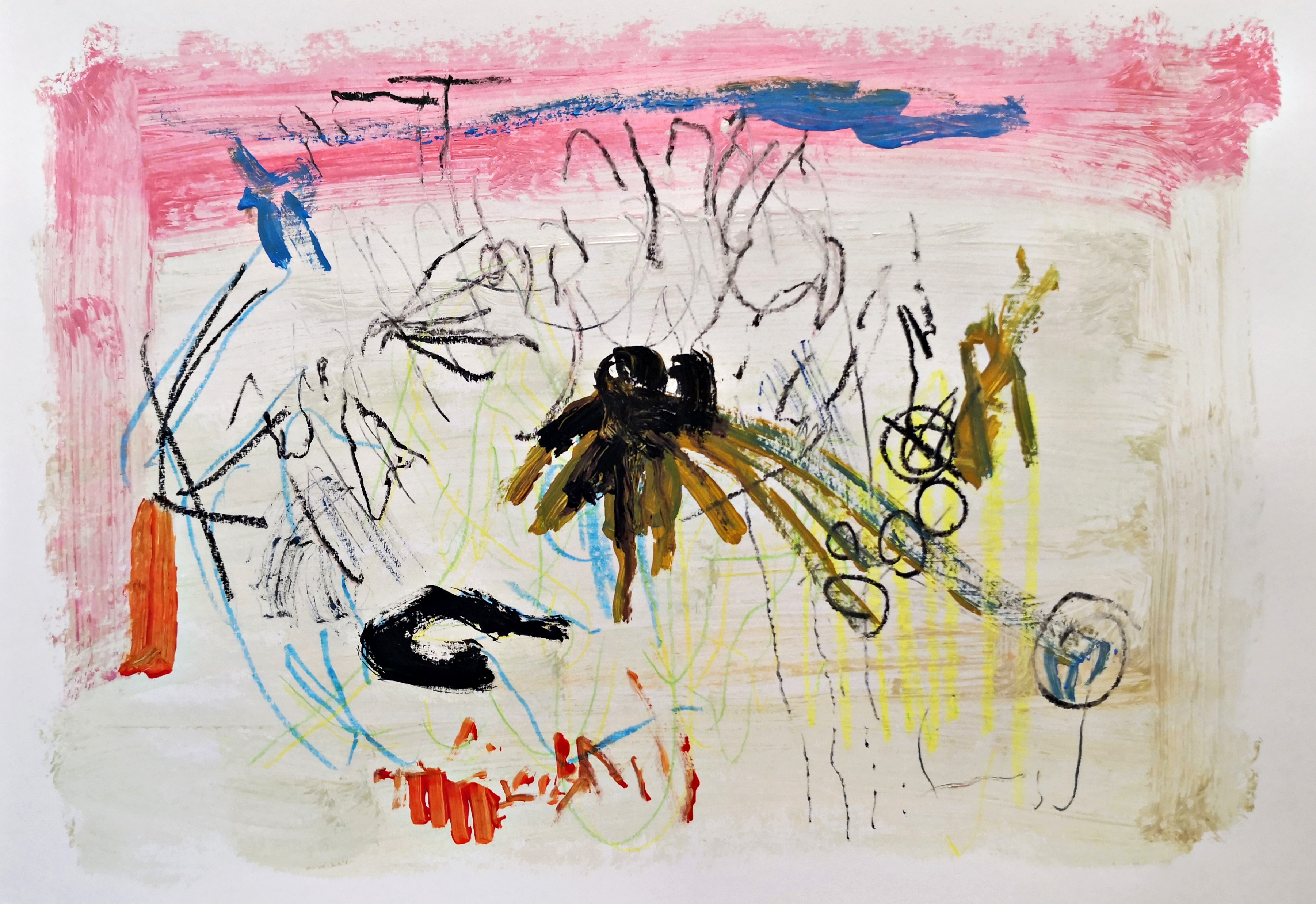
My palette is deeply tied to the emotions I'm expressing, with each color acting as a vessel for feeling. Bright, saturated hues allow me to amplify energy and intensity, while softer tones bring balance or introspection. When I begin a piece, I choose colors that resonate with the emotion I'm channeling — vivid reds for passion, bold yellows for hope, or deep blues for melancholy. As the work evolves, the way the colors interact becomes a dialogue, layering and shifting to create emotional depth. Through these choices, I aim to translate intangible feelings into a visual language that speaks directly to the viewer.
With everyday life and Cy Twombly as sources of inspiration, how do these factors influence the way you approach abstraction in your art?
Everyday life and the work of Cy Twombly are essential to my approach to abstraction, influencing both my process and the emotional depth of my pieces. Life's rhythms — its chaos, its small, quiet moments — serve as a constant source of inspiration. I draw from the spontaneity of fleeting interactions, gestures, and thoughts that come and go, much like Twombly's raw, gestural marks that capture the essence of human experience. His ability to blend simplicity with complexity in abstract forms encourages me to approach my own work with a sense of freedom and urgency, allowing the canvas to evolve without overthinking. My abstractions, like the world around me, are full of movement, energy, and unpredictability — reflecting the beauty and mess of life itself. Through these influences, I embrace the idea that abstraction doesn't need to be ordered or controlled; it's about creating a visual language that mirrors the fluid, ever-changing nature of experience.
By its nature, non-representational art invites diverse interpretations. How do you blend your personal narrative with the openness you provide for your viewers?
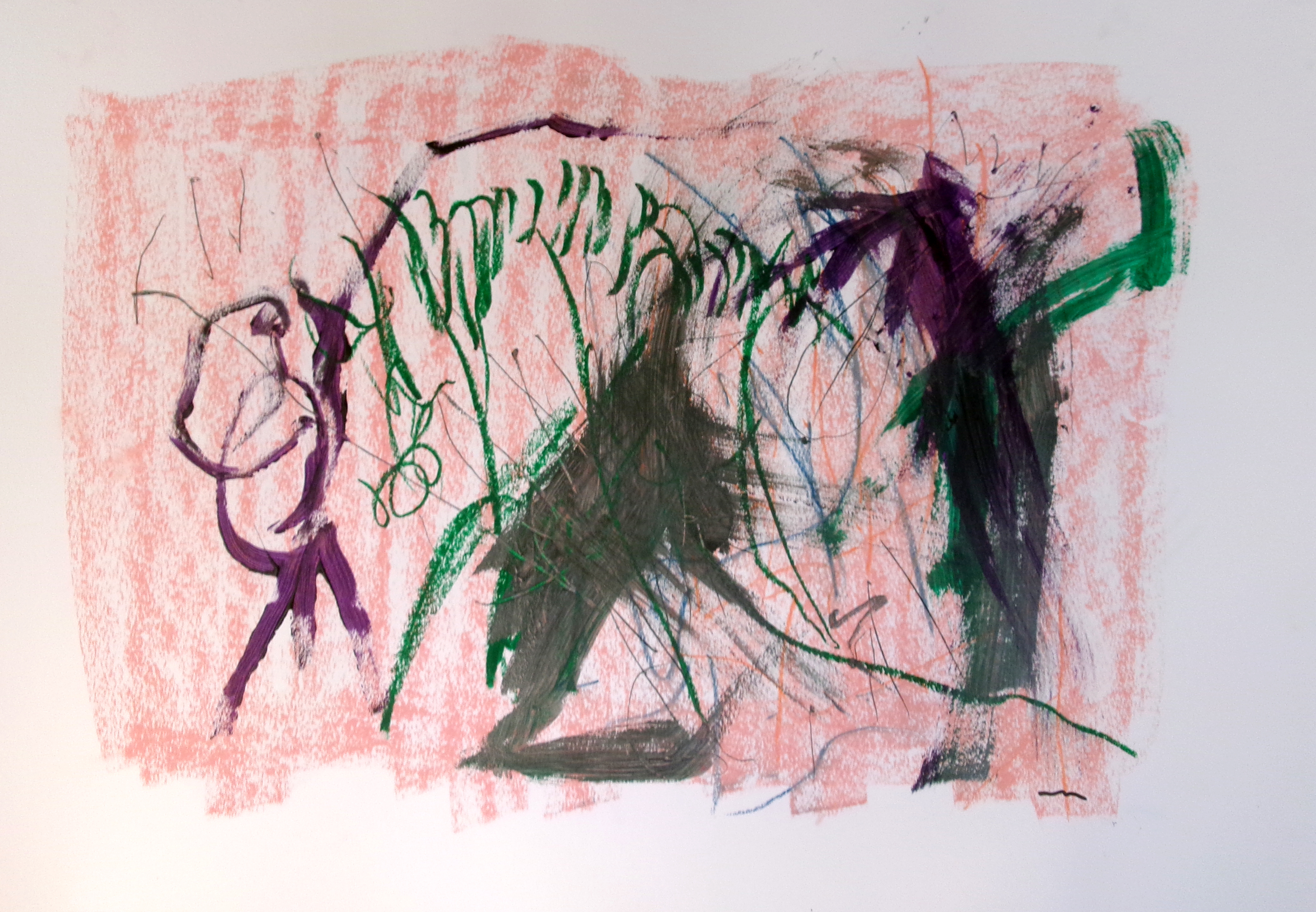
In non-representational art, the beauty lies in its ability to evoke different interpretations, and I embrace that openness while weaving my own personal narrative into the work. My approach is to channel my emotions, thoughts, and experiences through color, texture, and form, creating a foundation of personal meaning. However, I purposely leave space for ambiguity — nothing is overly defined or fixed. I want viewers to feel like they can step into the painting and bring their own stories, feelings, and associations. The abstract nature of my work invites them to fill in the gaps, allowing each piece to become a shared experience, both personal and universal. My narrative is present in the energy, the tension, and the mood, but I believe the true power of abstraction lies in its ability to transcend individuality and connect with a broader, collective emotional landscape.
In your work, movement and transformation are vividly expressed. How do you overcome the static nature of painting to convey such dynamic energy?
I focus on embracing movement within every stroke, layer, and gesture. I use fluid, sweeping motions and bold, expressive marks to suggest motion — like capturing a moment in time just before it changes. The act of painting itself becomes part of the energy, with each layer building upon the last, creating a sense of transformation. I often use the contrast between thick, textured areas and delicate, lighter brushwork to create visual tension, suggesting forces at play. The colors, too, play a role — they vibrate and shift as they interact with one another, heightening the sense of movement. Even in the stillness of a painting, I aim to evoke the feeling that the work is in flux, as if it could shift or evolve at any moment. By embracing spontaneity and allowing the painting to live on the canvas, I strive to invite viewers into that energy, making the still image feel like a pulse frozen in time.
As a self-taught artist, what challenges have you faced in developing your style, and how have you embraced them to create your unique artistic voice?
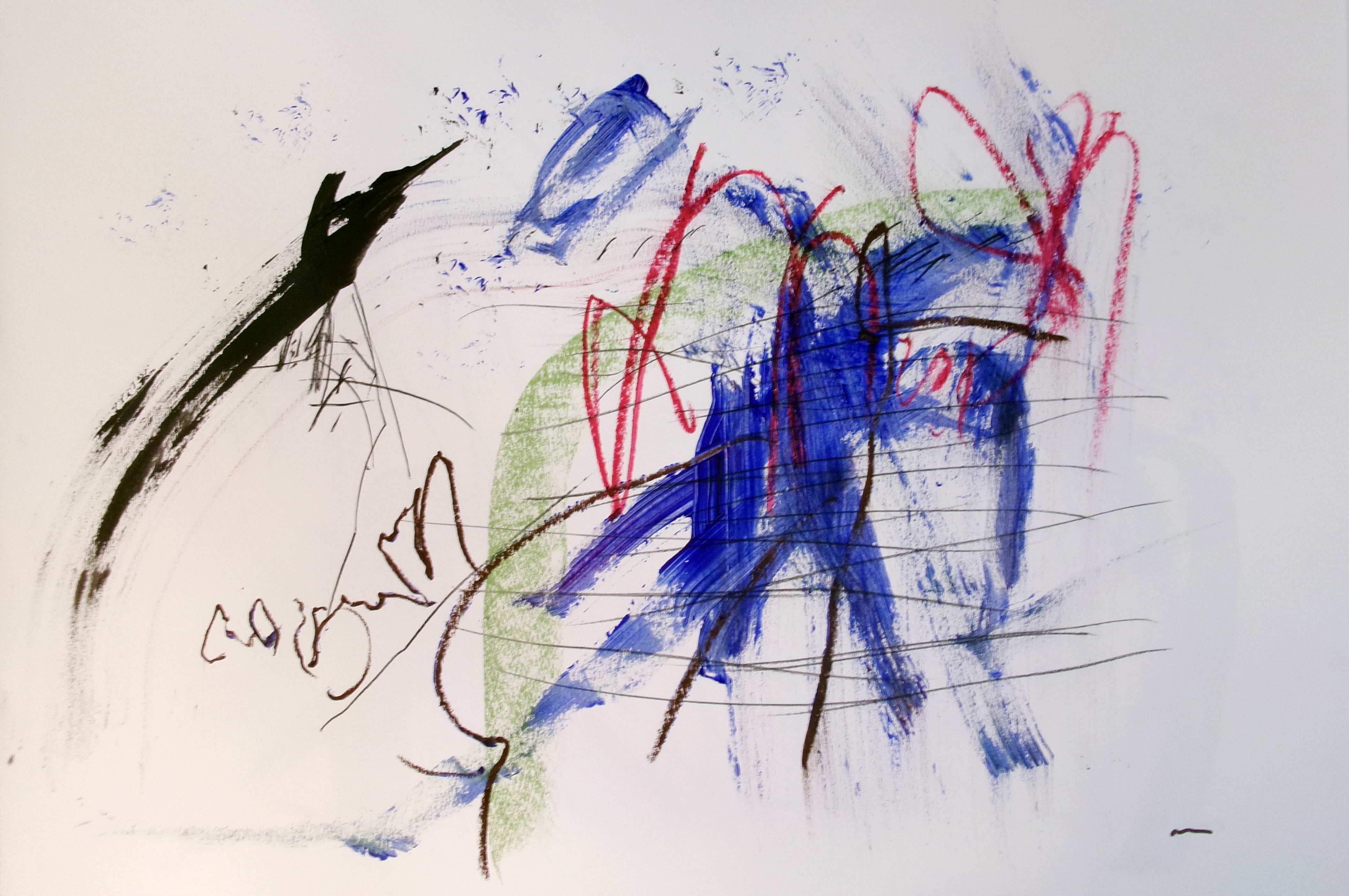
As a self-taught artist, the challenges have been both formative and liberating. Without a formal structure, I initially struggled with finding a clear direction — there were no rules to follow, no established path. I faced moments of doubt, unsure if my approach was valid or too unconventional. But over time, I realized that these uncertainties were key to developing my unique voice. Instead of adhering to traditional techniques or expectations, I allowed myself to experiment, make mistakes, and explore without boundaries. The freedom to fail and learn from those failures has been essential in shaping my style. I embraced the idea that my imperfections were not hindrances, but expressions of my individuality. Through trial and error, I've learned to trust my instincts more, and the absence of formal training has actually become a strength, allowing me to develop an authentic, personal approach to abstraction. Each challenge became an opportunity to push past limitations and redefine what my art could be.