Get the Issue
Issue I — Print ↗Jemima Charrett-Dykes
Multidisciplinary Artist — United Kingdom
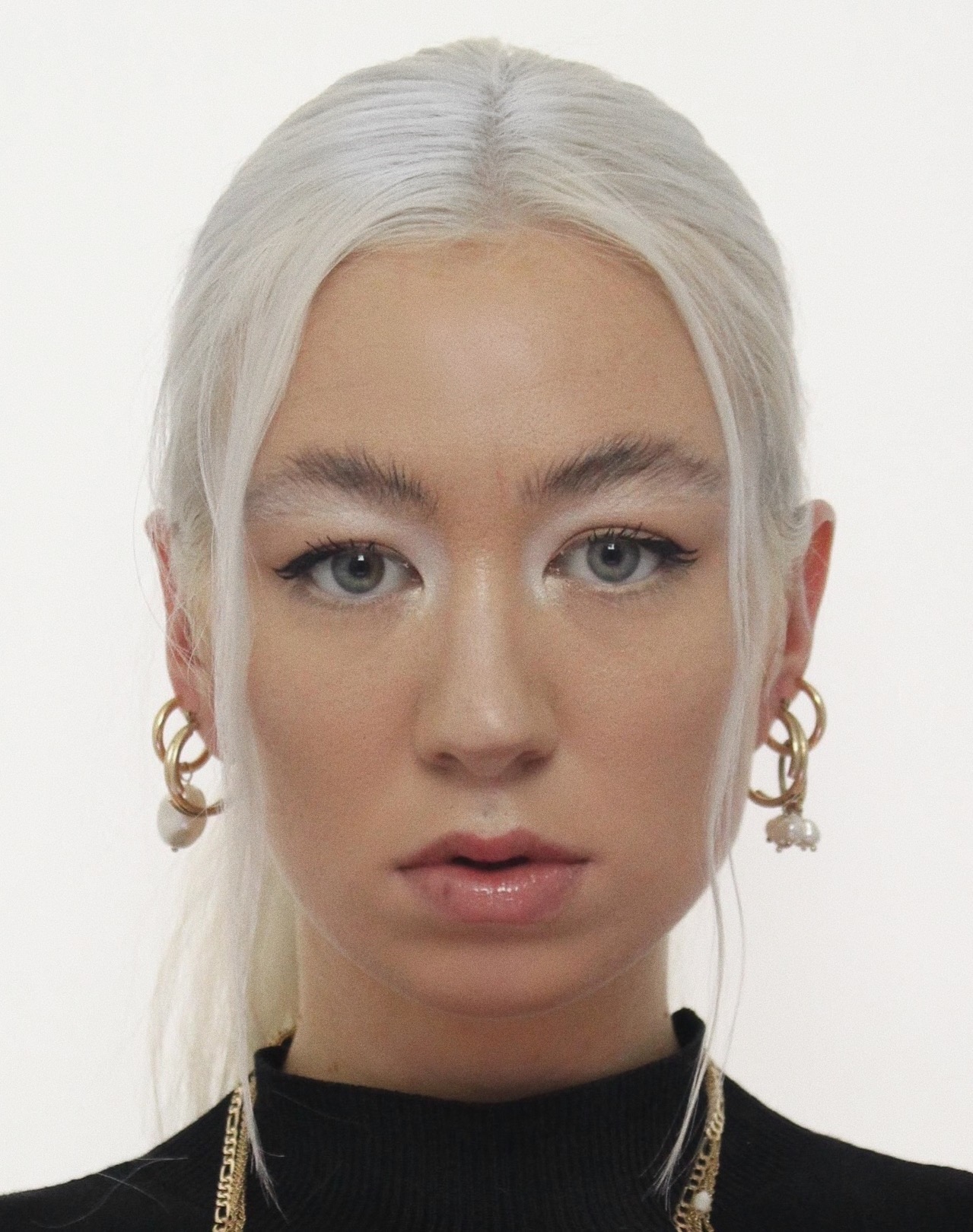
Jemima Charrett-Dykes is an artist whose output is primarily autobiographical, drawing from experiences in childhood and the aftermaths of psychosis as a result of Complex Post-Traumatic Stress Disorder. Using art-making as a therapeutic outlet, Jemima's work often references her past and the traumas linked to her body both physically and mentally. She operates across multiple mediums, all of which are thematically linked through visions of childhood, the female body, and an exploration of the self and psyche as the main subject. Jemima has exhibited and sold paintings, photographs, and books in a range of galleries across Europe, including London, Glasgow, and Paris.
In what ways has your experience with CPTSD shaped your artwork?
Naturally, sometimes I wonder what my life would be like if I didn't have Complex Post-traumatic Stress Disorder. My experiences in childhood that led to my diagnosis have certainly shaped a lot of how I see and experience the world around me. Similarly, I don't know what my art would look like had I not experienced such things. My observation of trauma thematically links everything I make and influences my artwork so directly that I think my output would be completely different if I did not have those experiences. At first, I didn't consciously realize that I was creating work about my conversance with C-PTSD and psychosis. Rather, I was just making art as a way of expressing emotions that I couldn't put into words. As I became more acquainted with my diagnosis and have been in therapy, I've realized that it really is my trauma that is influencing all of my decisions when art-making. It is what shapes every idea and series that I create, as my output is an autobiographical narrative on my experience in childhood and post-adolescence, where I began to deal with the repercussions of being traumatized. As I initially began making art simply by way of therapy and not for the purposes of becoming an artist, I don't know that I would have ever picked up a paintbrush had I not been unwell, which is very strange to think about.
What is your process for transforming personal and painful experiences into art?
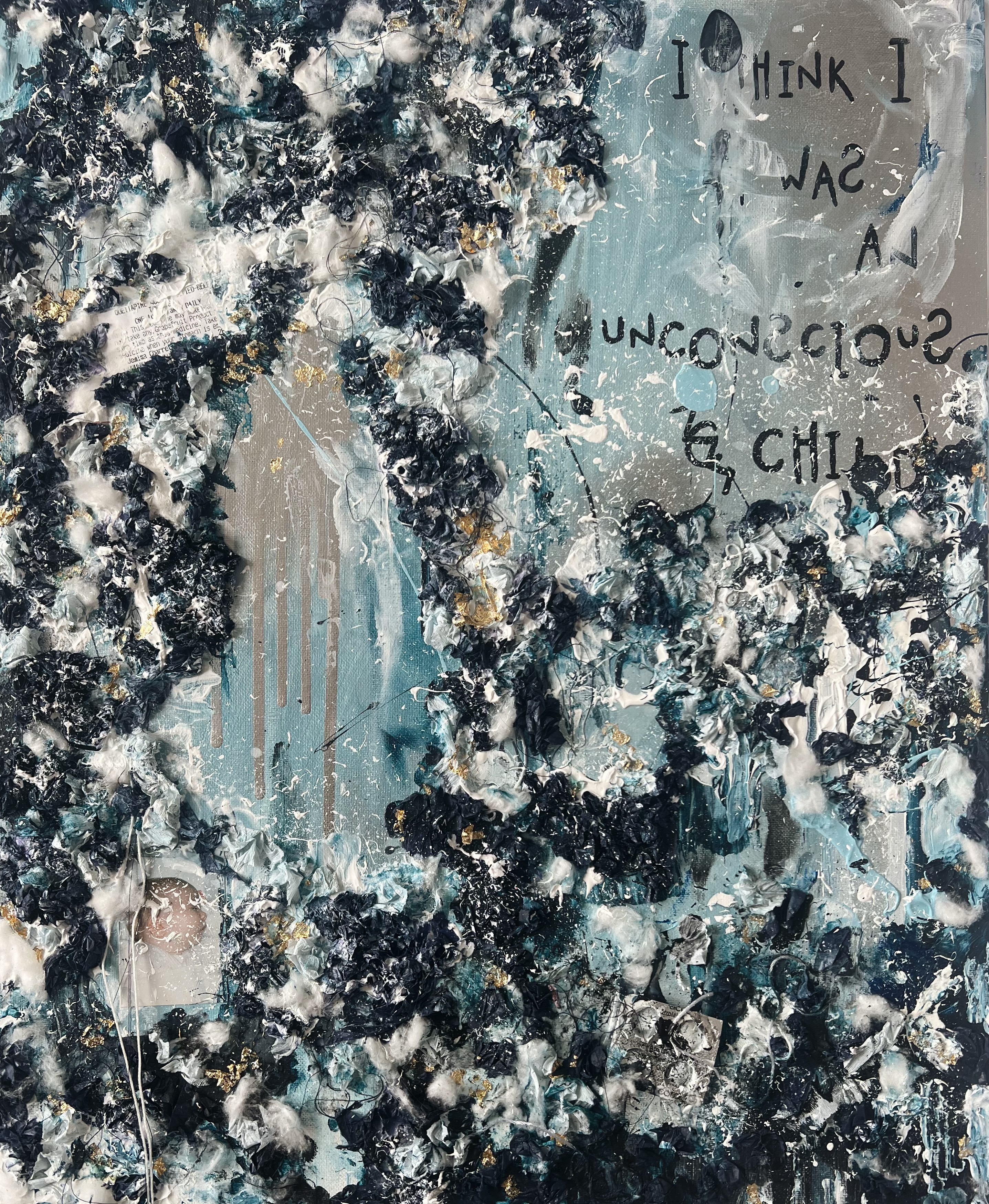
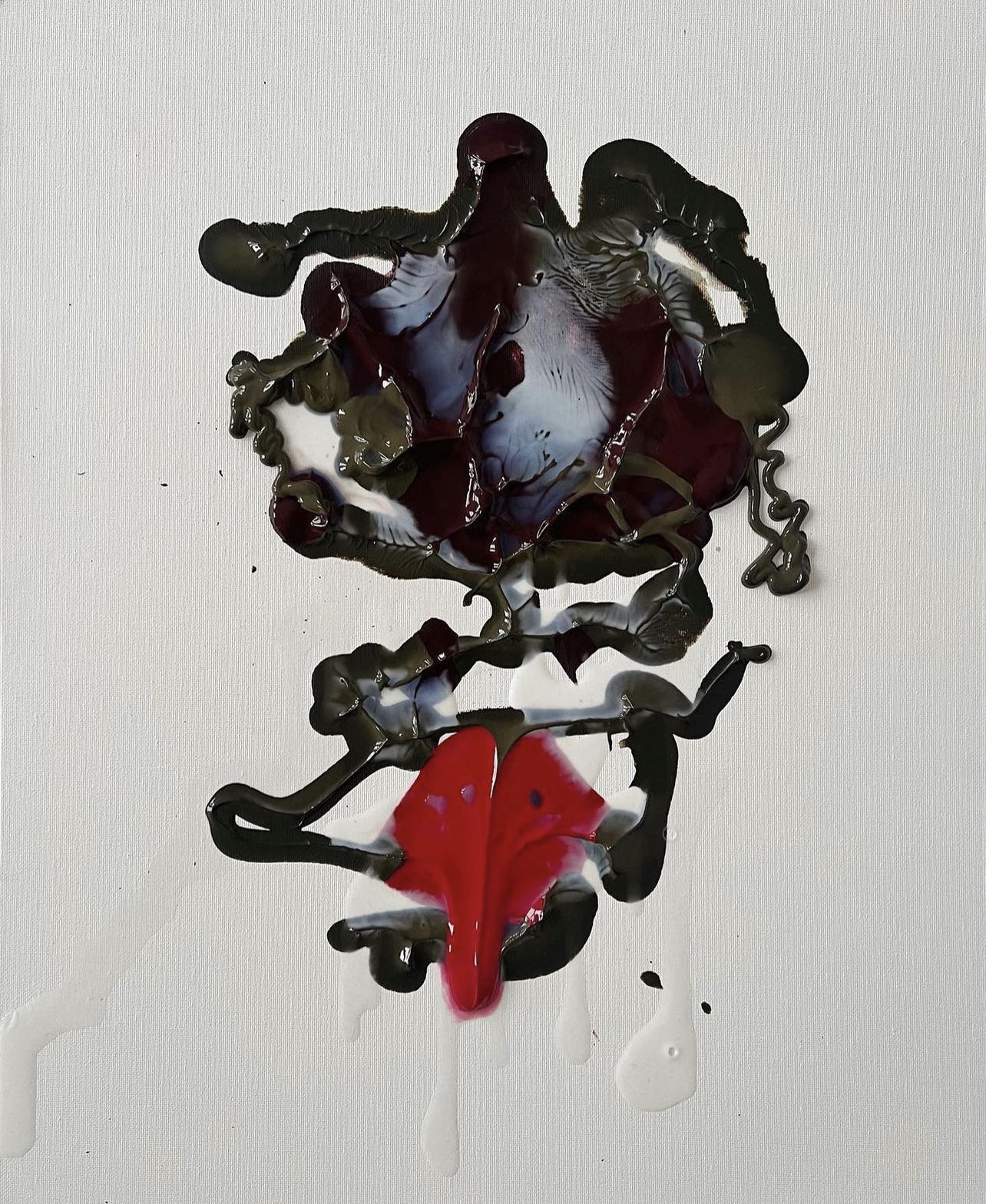
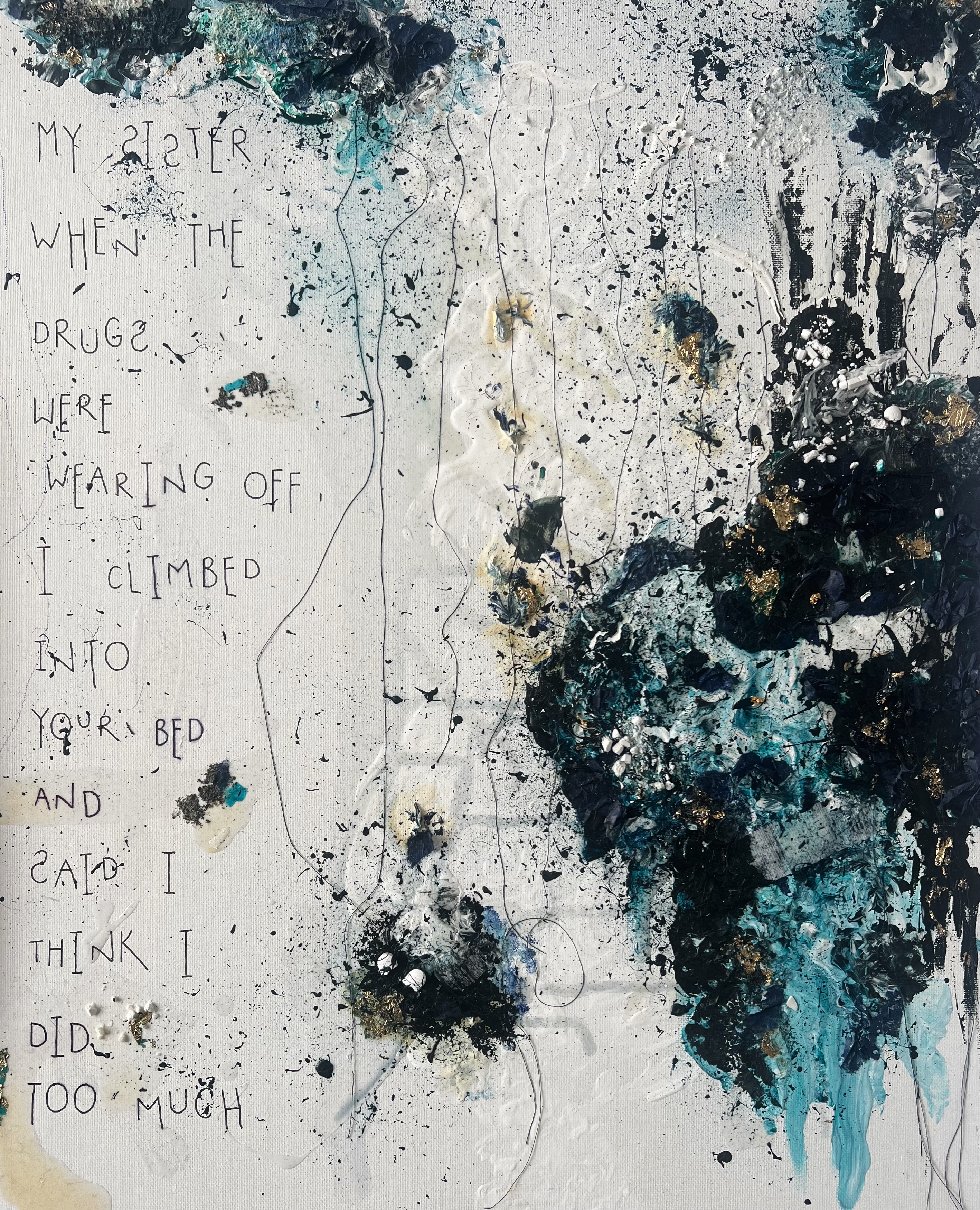
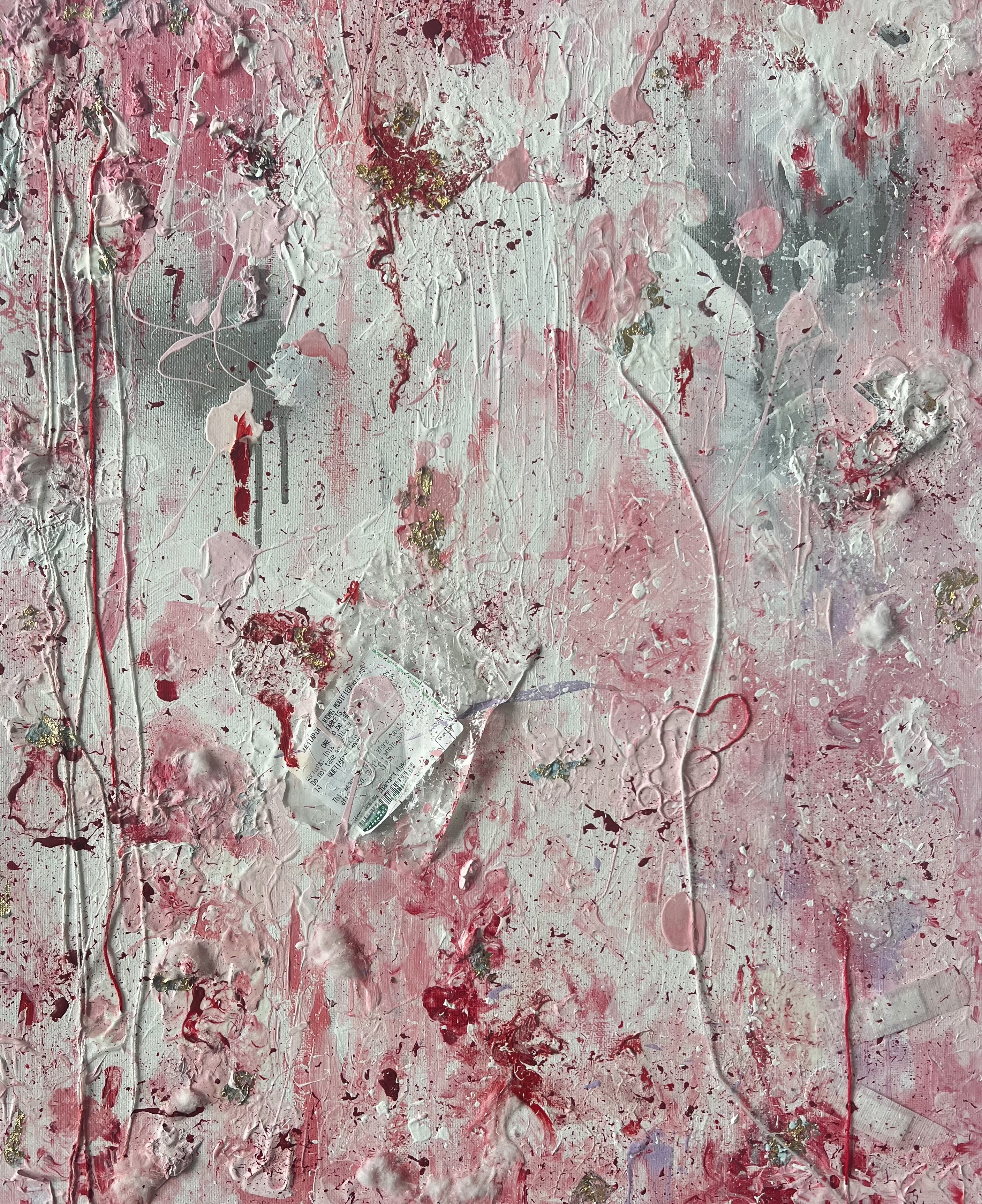
When I am creating work, I am dialed into my unconscious mind and less focused on linear thought. I find that I best create when there is a memory or feeling that is taking up a lot of space in my head. When I allow space for this particular emotion or experience whilst art-making, I have a springboard that forms the central theme for the piece I am starting. From here, tangents and connotations form and more memories or emotions come to light. This is helpful especially when I'm painting, as the different emotions that emerge from my unconscious blend together to form one piece, which is why my work is so abstract — it's basically the coming together of a handful of ideas and emotions relating to one overarching theme. I'm quite a private person, but I find that when I'm painting or taking photographs it becomes very easy to address topics that are very personal to me. Creating a vision from painful experiences is a process I find really helpful. It can be a lot less intimidating to be focused both on what I'm creating as well as these distressing emotions, rather than to simply sit with difficult thoughts and memories.
How do you decide which medium best suits your creative vision?
Typically, the two mediums I use the most are mixed media painting or photography. I think I'm drawn to photography when I have a more specific idea that I'm considering; painting is a medium I turn to when I'm expressing more fluid, less elusive chains of emotions. Often, the ideas for my mixed media images are born from archival imagery, like when I look at old photographs or letters that evoke certain feelings. I'm currently creating a book that includes a bit of everything — self-portraiture, poetry, and found imagery — and it's proving useful to combine different mediums in order to tell different parts of my story.
What inspires your focus on themes of childhood and the female body?
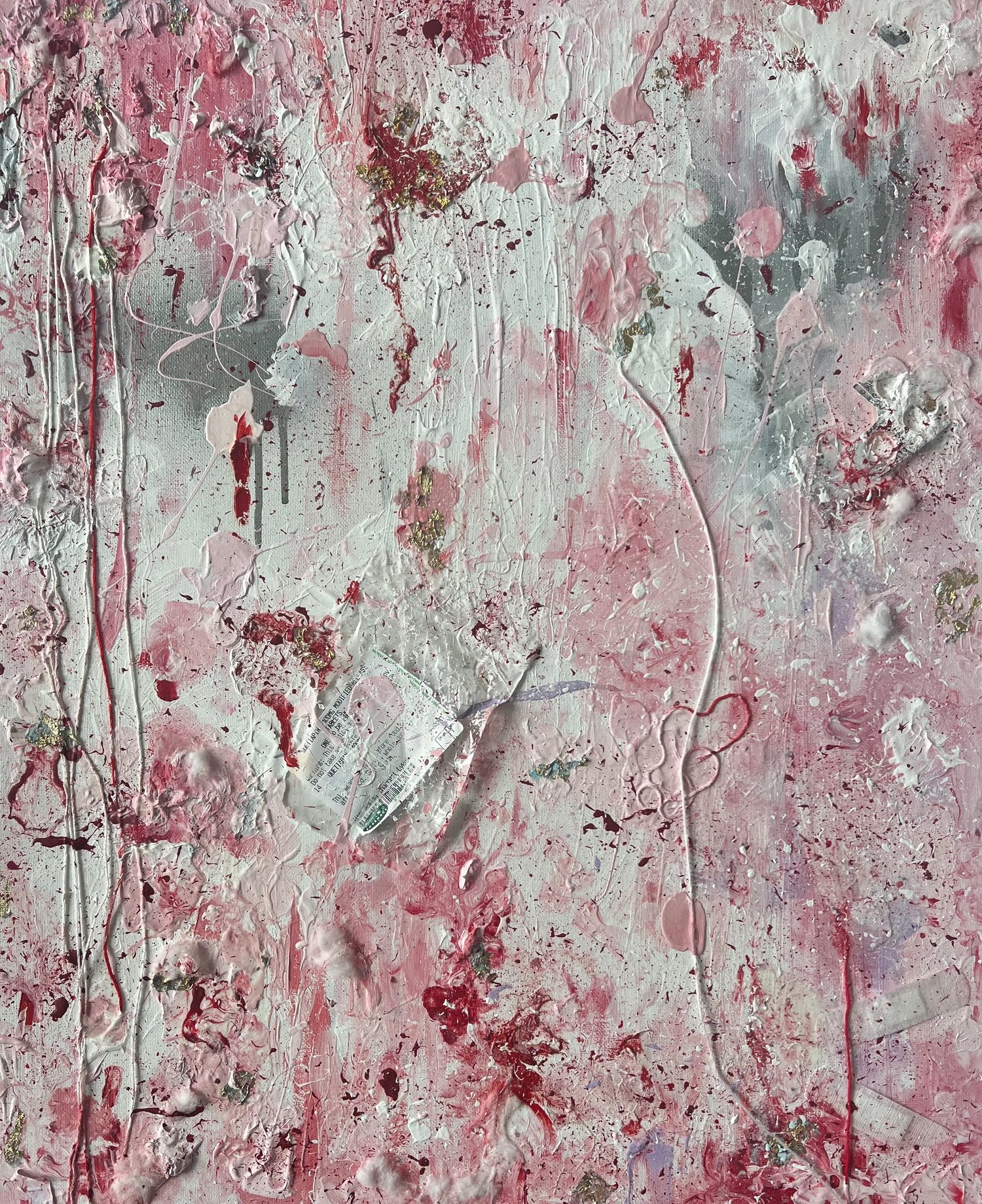
When I first started art-making, I was focused solely on my childhood and was harnessing art as a form of therapy. Whilst I was studying my undergrad in photography I was really interested in artists like Jenny Saville and Louise Bourgeois, whose work follows similar narratives to my own. When I studied art psychotherapy in Edinburgh, I read a book called 'The Body Keeps the Score' by Bessel van der Kolk, where the central themes are surrounding how the physical body contains and is affected by trauma. I think that, in relating to this, it was a combination of taking inspiration from feminist artists and my personal interest in the self that led to my exploring the female body in my output. The first painting I ever made was actually created in response to a long time spent waiting for a diagnosis in regards to my own reproductive organs, so this was the first time I really explicitly explored that theme.
Can you discuss the role of the self and psyche in your work?
The self is a central theme across my whole output, and something I am continuously working on addressing and improving. I'm very invested in Carl Jung's theory regarding the self, how it is an archetype embedded in all of us where the conscious and unconscious come together in unison. Since being in therapy myself, I've definitely become a lot more aware of my own individuation and the importance of addressing every aspect of my personality and experiences, however difficult. Exploring the self within my artwork aids me in constantly remaining conscious of my ever-changing psyche, and the role of this when art-making proves essential to how I reflect on certain memories, especially when I am faced with trauma.
How have audiences in different European cities responded to your work?
I've been quite lucky in that I feel my work is transferable between different types of audiences from varying walks of life. I think the fact that my artwork lends itself to the abstract plays an essential part in this translation. I think my work resonates most with an English-speaking viewer, as a lot of the narrative within my work is referred to within the poetry and words harnessed alongside the imagery. In saying that, I think it is my paintings that don't include locution that are most consistently appreciated throughout Europe, which is something that has certainly boosted my confidence in my ability to paint over time.
What role has art played in your healing process, and what advice do you have for artists using art as therapy?
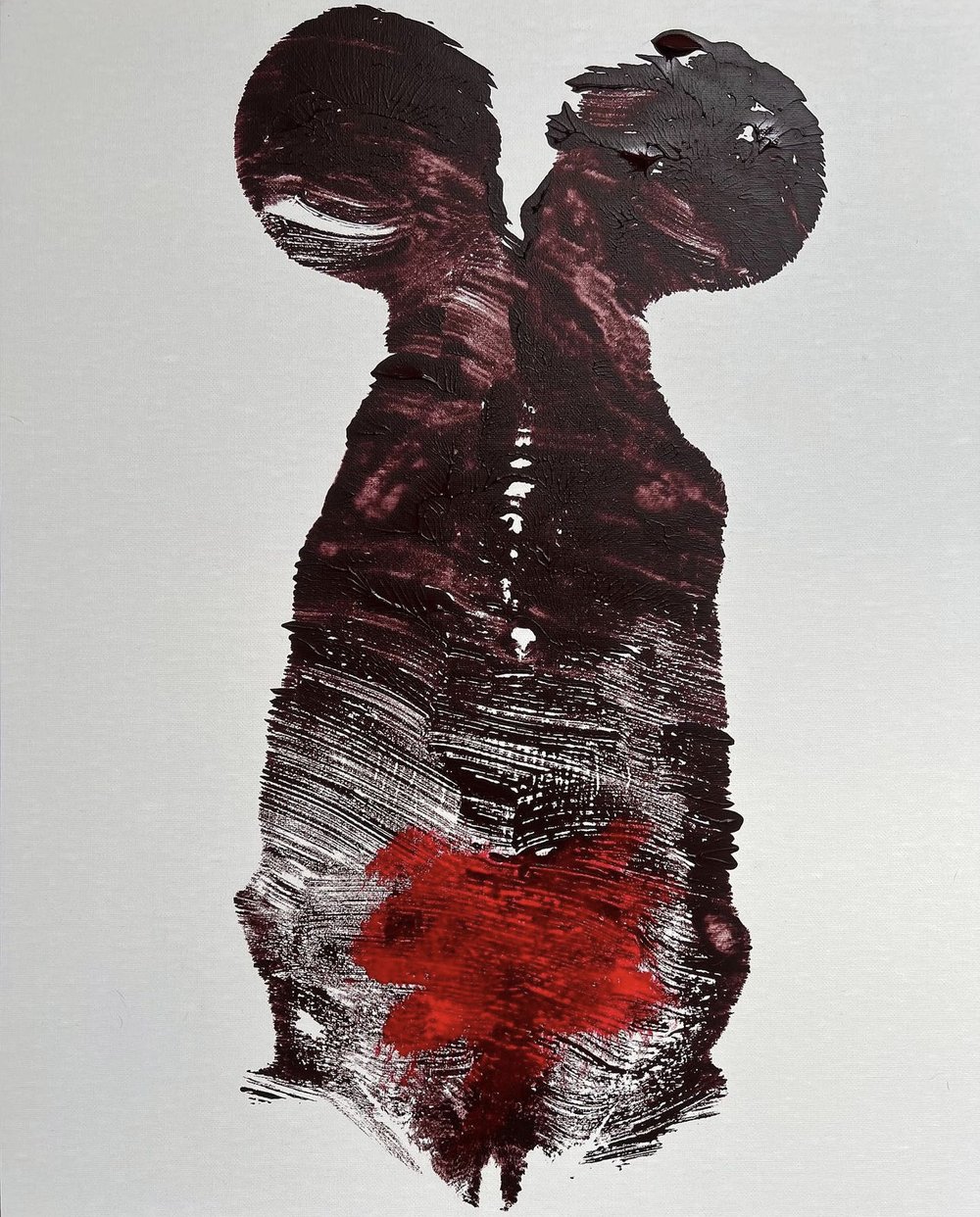
I can't honestly say that I know I would be as healed from past traumas as I am today had I not begun to create work about my experiences and mental health. I feel that, no matter your ability as an artist, channelling your creativity and unconsciousness can play a vital role in healing from both physical and mental trauma. I would advise anyone interested in using art as a form of therapy to become acquainted with the core ideas that are weaved through the subject. I first familiarized myself with art psychotherapy by reading books from writers like Alain de Botton — his book 'Art as Therapy' is beautiful and one of my favourite comfort reads — and looking at work by pioneers of the Art Brut and Naïve Art movement like Jean Dubuffet. Interacting with art that isn't necessarily created by artists with formal training is something I found really helpful as someone with no official education in painting, as I found both the imagery and themes being discussed relatable, and it definitely provided me with some reassurance.