Website
lumestudios.com/ ↗Get the Issue
Issue II — Print ↗Dotan Negrin
Experiential Designer & CEO of LUME Studios — New York City
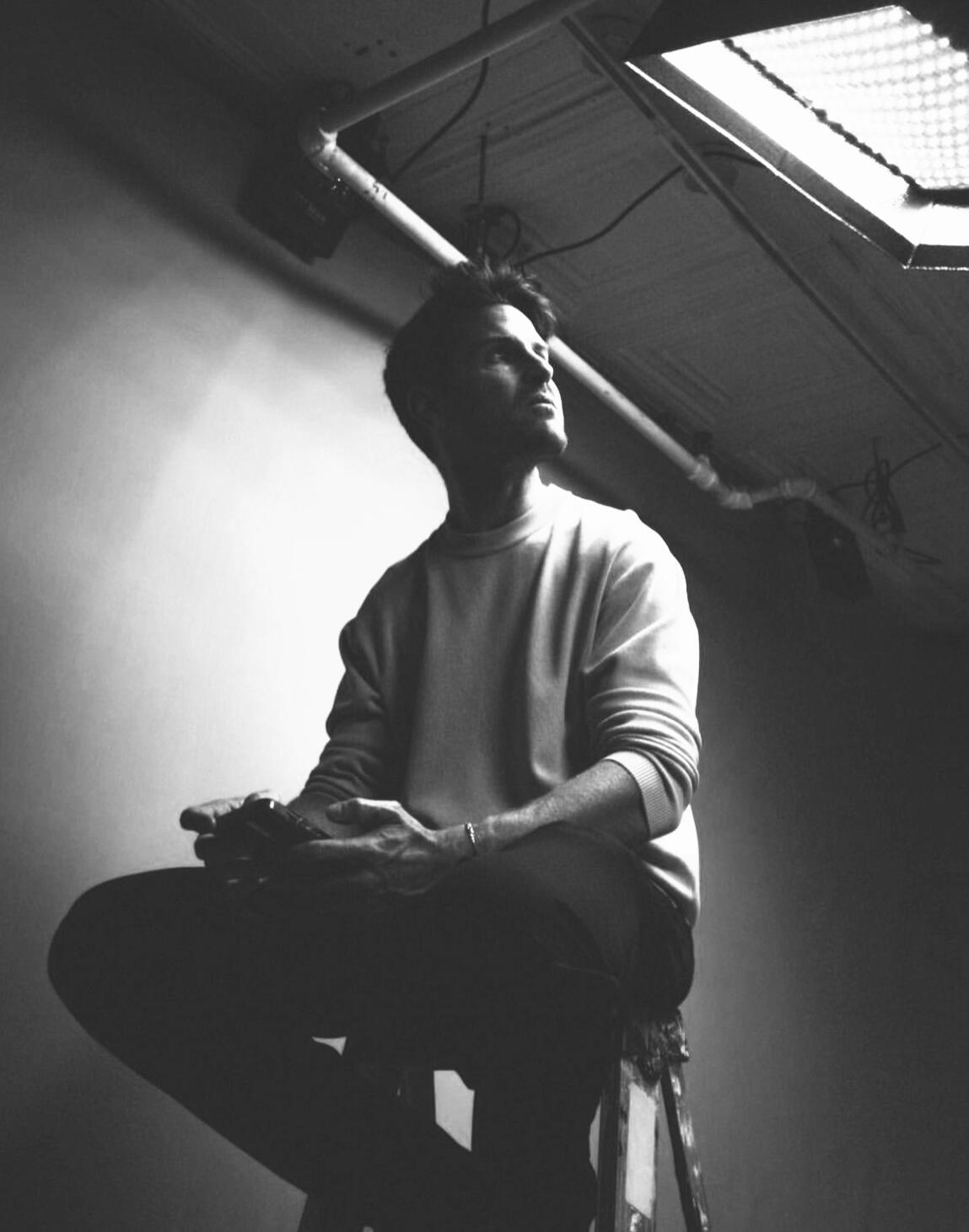
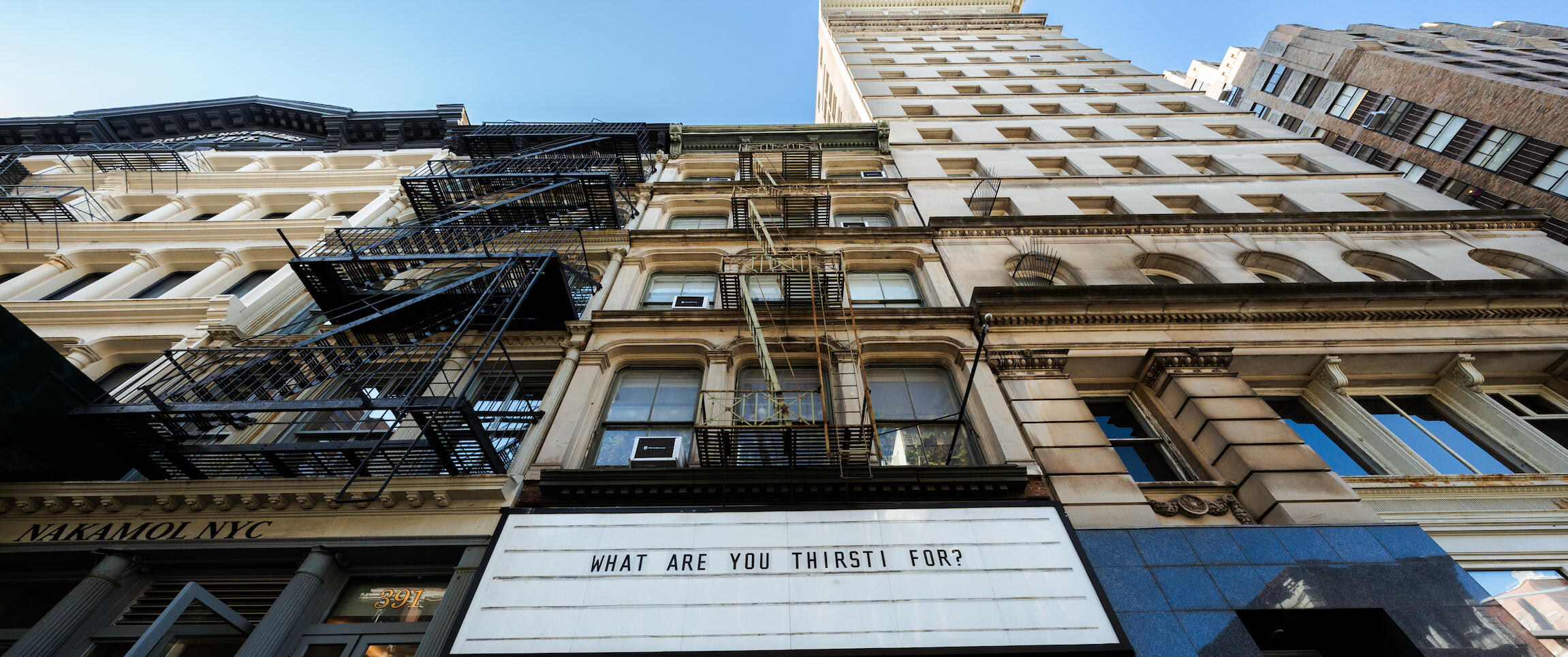
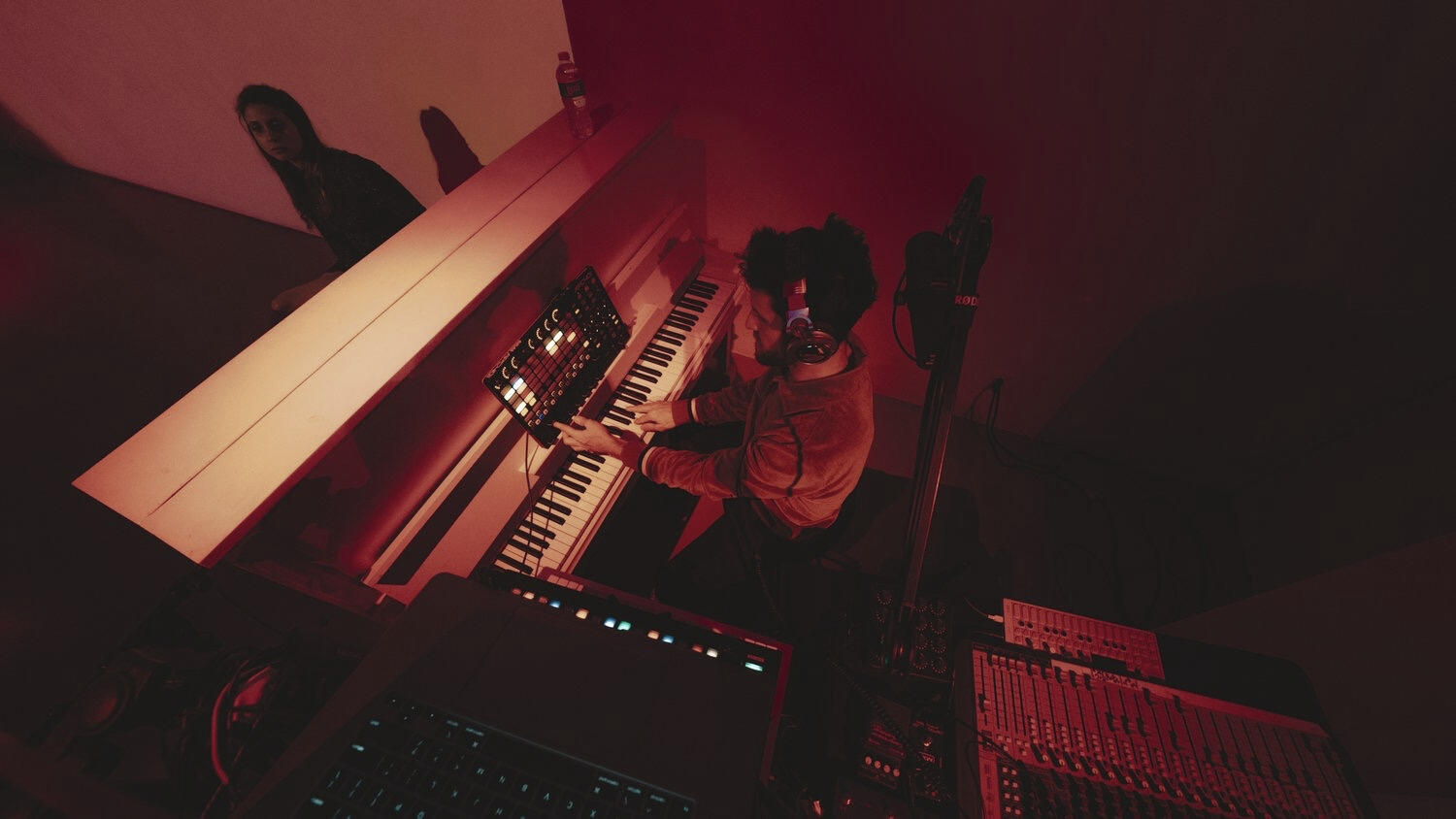
Dotan Negrin is an experiential designer and multimedia artist based in NYC. He is the Founder/CEO of LUME Studios, a leading experiential agency with a multi-level venue in TriBeCa. Founded in 2016, LUME Studios serves as a hub for international brands, celebrities, and artists to create unforgettable experiences and video productions. Through the use of high-end visual software, projection mapping, and spatial audio, the venue and creative services are tailored to enable his clients to tell visually dynamic and engaging stories that resonate with audiences. Over the past few years, LUME has also become the premier destination for new media art exhibitions through its SUBJECTIVE programming, which connects the digital and physical realms by providing a platform for artists, collectors, and communities to celebrate art and internet culture in NYC. Dotan is also known for his global travels around the world with a full-size piano, playing music in more than 24 countries and 500 cities between 2010-2016. His travels took him on an adventure of living in a van, meeting thousands of people who joined him in public jam sessions in the streets. Dotan documented his travels on his YouTube channel, Piano Around the World.
Who do you feel you are the most: musician, CEO, or curator?
Ten years ago, I was a full-time musician doing gigs and making YouTube videos. Now, after launching LUME, I've evolved into a founder/producer. I spend a lot more time managing the team, designing new installations, and maintaining the space. I really enjoy producing our own experiences, events, and art shows. As of now, because so much of my time is spent developing LUME Studios, I would consider myself more of a founder/CEO.
Based on your choice, how does that primary identity shape your approach to your other responsibilities?
Being a founder, I am forced to wear a lot of hats, and I find myself shifting, using my brain in a variety of ways throughout the workdays. My management style is creative and experimental, constantly trying new things to see what works. This makes my approach more freestyle and less organized compared to others. I’m more of a 'let's try this, let's try that, let's see what works' kind of person. As an artist, I was not always the most organized, but my work as a founder has forced me to spend more time planning and organizing before I take actions.
Can you share a memorable experience from your global travels with the piano?
Sure. After over five years of traveling around the world and living out of my van, I learned that we all have friends we haven't met yet. Everywhere I went, people wanted to connect, live in peace, and be happy. I saw that there are more good people in the world than bad people. In Zurich, I met a guy who introduced me to local artists and musicians. The next day, I played on the streets, and had 50 strangers join in to participate in co-creating live music and fun. Another time in 2011, I posted on Couchsurfing.com that I was going to Madison, WI but didn't have anyone to celebrate my birthday with. One of the people on the platform saw my message and invited me to join him and 8 friends for a birthday dinner. I spent my birthday eating dinner with complete strangers who celebrated with me and even got me a cake. These experiences showed me the universal desire for connection.
What do you enjoy most about hosting new media art exhibitions at LUME Studios, and how do you select the artists and projects featured in the SUBJECTIVE programming?
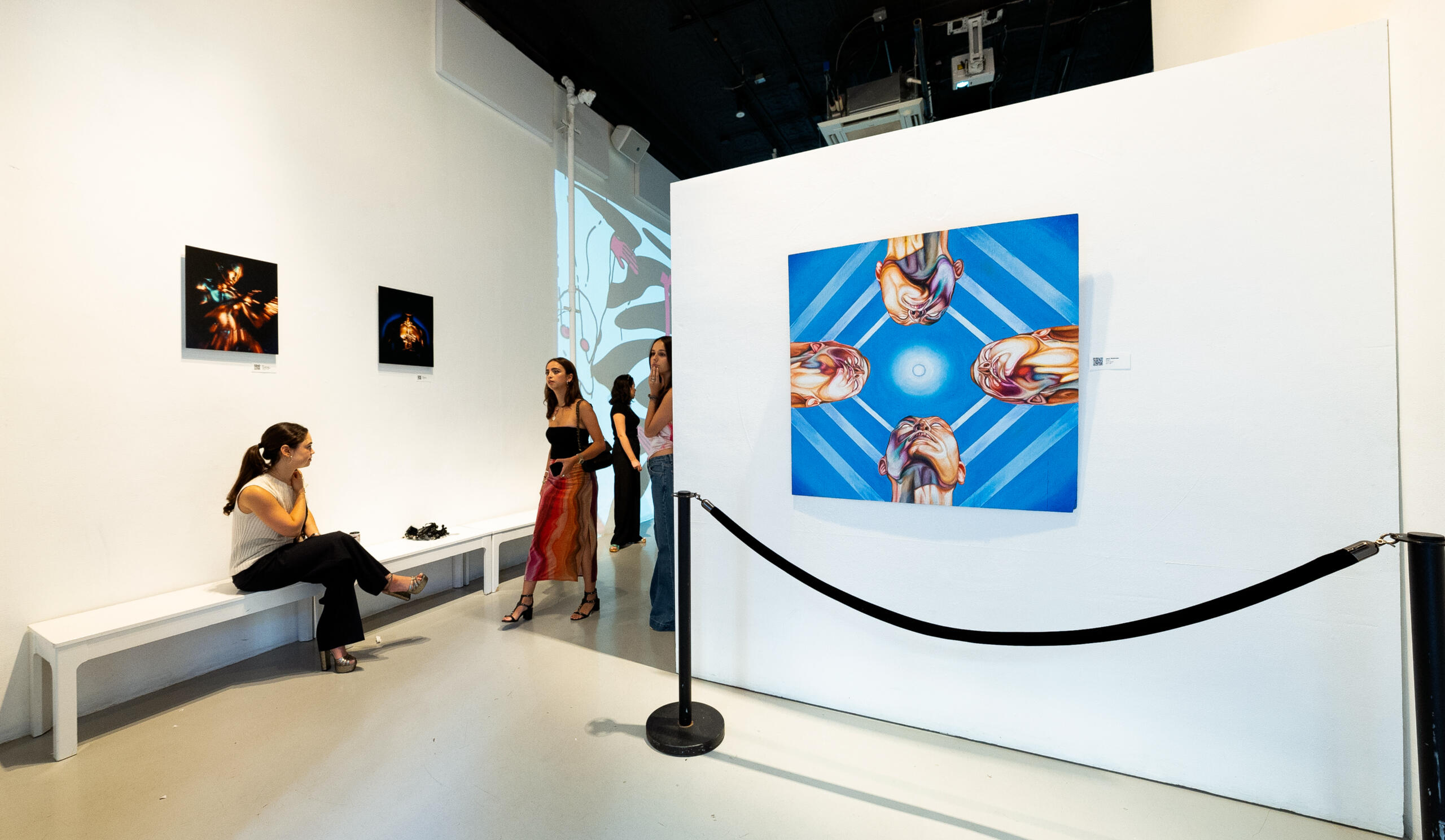
I love people. I enjoy meeting interesting people from around the world and discovering how they use technology and art in unique ways. My goal is to create exhibitions that encourage connections and collaborations. I want to inspire people to create, I want to give them the ability to do so, and I want them to walk out in awe of their experience. We select artists and projects by seeking out innovative and unique work, often tapping into various communities and galleries to find fresh talent.
What inspired you to start LUME Studios, and how has it evolved since its founding in 2016?
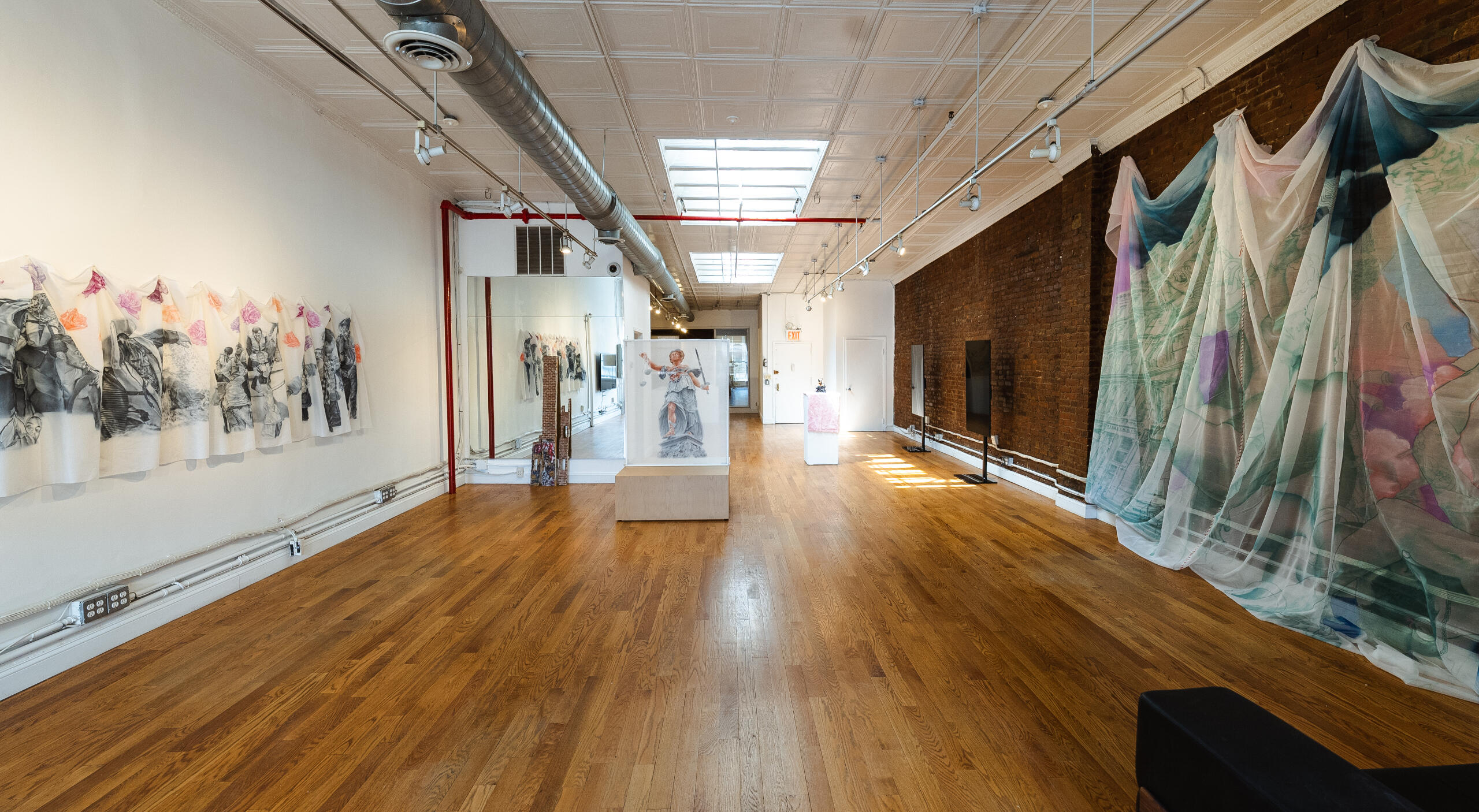
LUME Studios, originally called 393 NYC, was rebranded in 2019. The inspiration behind it stems from my lifelong journey of creativity and exploration. From playing with Legos as a child to pursuing acting, music, and various forms of art throughout my life, each experience contributed to the foundation of LUME Studios. After college, I delved into video production and traveled the world with my piano, merging different skills and passions along the way into a YouTube channel called Piano Around the World. LUME Studios represents the culmination of these experiences — years of learning and practicing lighting, sound, video, projection mapping, curation, and business management. In 2016, I saw an opportunity to take over a space previously occupied by another business. With low rent and a vision for hosting events, particularly for brands, I seized the opportunity and embarked on the journey of building LUME Studios.
What has been the most challenging project you've worked on at LUME Studios, and how did you overcome those challenges?
The most challenging period was in the beginning when I was handling everything solo, working 16-hour days consistently. While there wasn't one specific project that stood out as the most difficult, there was a stretch in 2017 where I worked 20 consecutive days, 12 to 16 hours each day, which was incredibly demanding. Dealing with the impact of COVID-19 was also extremely challenging, particularly having to let go of staff and taking on the responsibility of managing the entire space by myself. While I can't pinpoint one specific event, there were definitely moments of being overworked and exhausted. Each challenge required perseverance and determination to overcome.
If you could collaborate with any artist, living or deceased, on a project at LUME Studios, who would it be and why?
If I could collaborate with one artist, it would be Bobby McFerrin. I’ve always been excited by his work as a musician and his ability to bring the entire audience together in song. I have seen him perform many times and even met him. He has the ability to use his body and voice as the instrument itself. He is also famous for bringing musicians on stage from the audience, and it's such a good time. I would love to do an audio-reactive experience with him, combining sound, light, and color together in the space.