Website
ombruja.com/ ↗Get the Issue
Issue IV — Print ↗Carolina Coto
Artist, Model & Founder of OMBRUJA — New York City
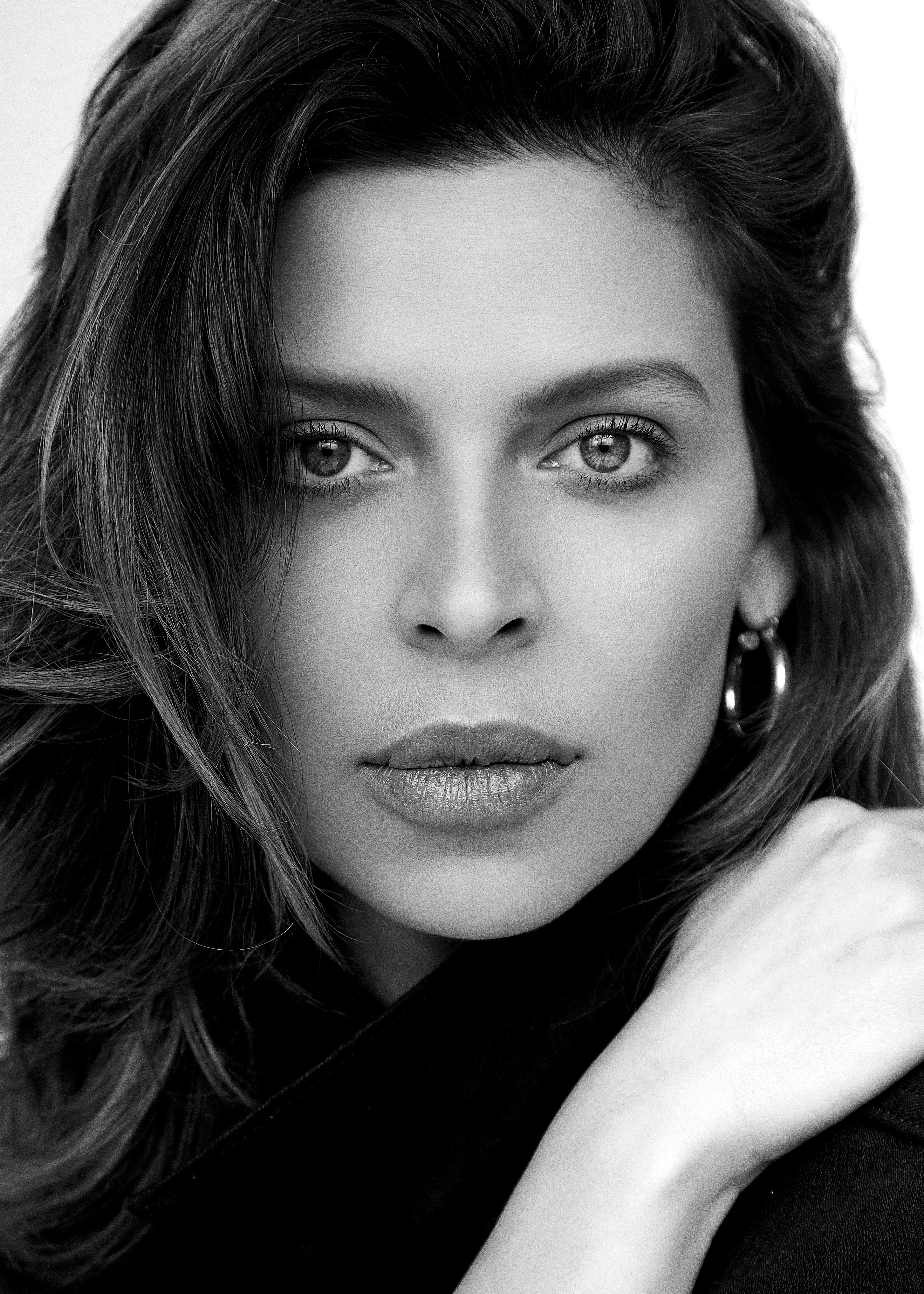
Carolina Coto is a multifaceted artist, model, actor, yogi, and founder of OMBRUJA, bridging art, well-being, and technology. As the Brand Ambassador of Costa Rica, she has been featured in campaigns for global brands such as Nike and Water.org, and has appeared on covers of Runner’s World and Health & Fitness Magazine. A former athlete, she is an award-winning performer with achievements spanning international film festivals, TV commercials, magazine covers, and digital art collections. Carolina is also an accomplished speaker and host, leading panels with industry pioneers and curating immersive art experiences in New York, Costa Rica, and Art Basel. An active fellow of the Internet Society and former Vice President of its New York chapter, she is often called a unicorn for her unique ability to excel across diverse fields from magazine covers and internet expertise to the arts and modeling. Her work includes reinterpretations such as “Madonna,” which represents the mother and initiator, embodying hope and serving as a protector of artistic expression.
You’ve lived in England and now reside in New York. What inspired your move, and how has it influenced your career?
I moved to England after becoming the face of the global campaign “Buy a Lady a Drink” by Stella Artois and Water.org, photographed in London by Nadav Kander. I loved my time there! So many dreams came true, including working with Nike on global projects and landing my first international magazine cover for Runner’s World. The perspective of creative talent in London is wholesome, integral, and showcases advanced storytelling. Later, I moved to New York, driven by my passion for technology and the arts, as well as to be closer to my family while continuing my modeling career. In New York, I founded OMBRUJA and discovered a profound connection to the global internet community.
Carolina, you have a diverse background ranging from modeling and fitness to artistic activism. How has this varied journey shaped your identity as an artist?
The author of “Atomic Habits,” James Clear, says it best: “Entrepreneur’s mind. Athlete’s body. Artist’s soul.” This quote resonates deeply with my lifestyle and profile. Modeling has been a journey of self-discovery for me, while fitness empowers my lifestyle. Well-being has always been at the core of my work, which is why activism feels like a natural response to exploring concepts of self and identity.
The Human Value project, which seeks to explore how art can impact societal values, what drew you to this initiative and how do you see art as a vehicle for social change?
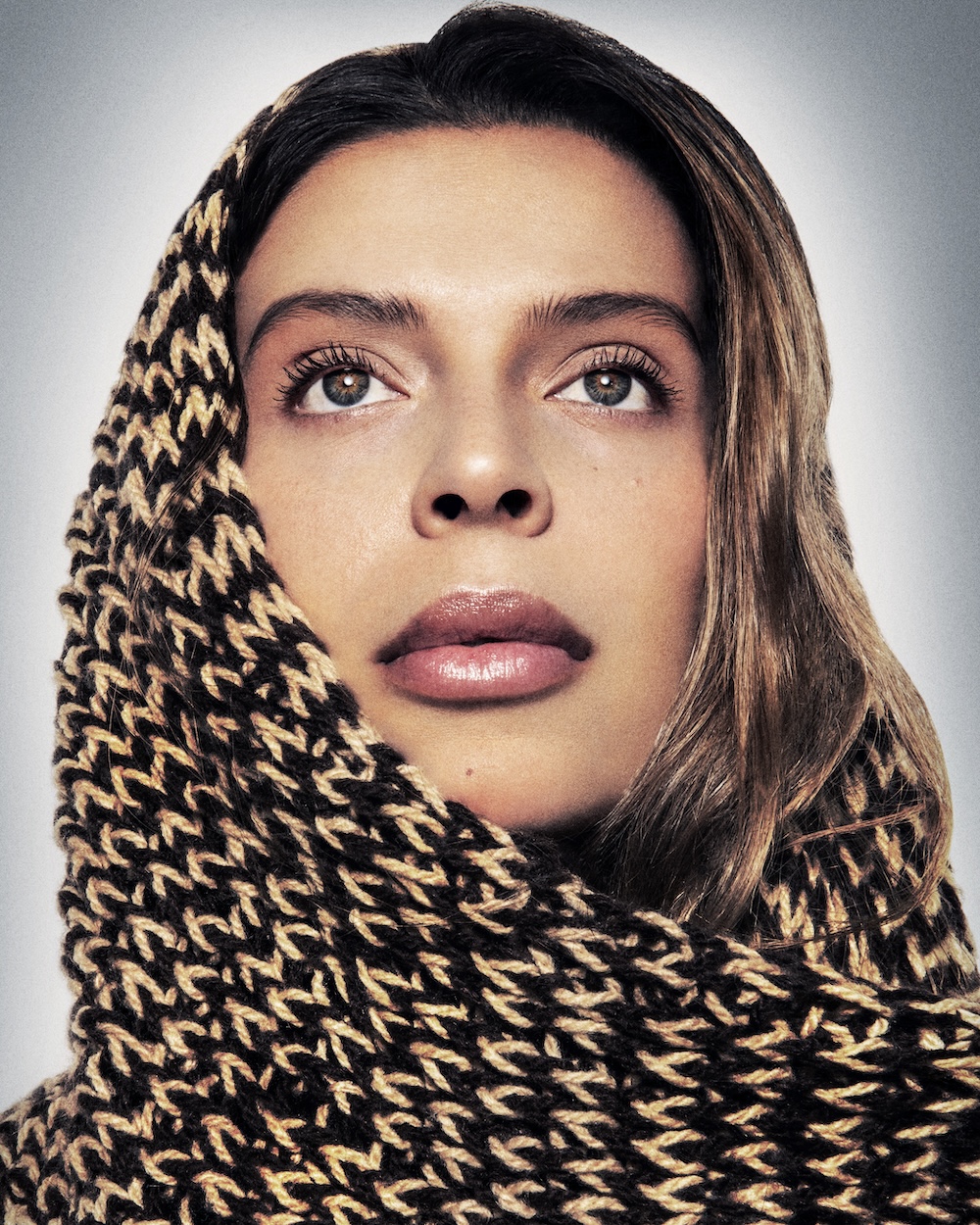
My first on-chain collection in 2021, “Digitals,” became a manifesto of self and identity. The third piece I intended to mint, titled “Human Value,” felt like it needed more time to evolve and fully understand. Three years after launching the manifesto, I realized there is no standard for recognizing the provenance of the subject in photography or modeling. This realization led me to reflect deeply: who else is not being credited for their contributions, their work, or simply for their existence? Why is the technical name of the camera used to take the photo often included, but not the name of the subject? Is the camera more valuable than the person in the image? This question became central to my exploration: What, then, is Human Value?
Tell us about the Human Value project and how the idea came out?
Over the past three years, as I’ve explored the question “What is Human Value?”, much has changed in our world. We stand on the brink of a technological revolution and many things are evolving rapidly. Money and information are now decentralized, allowing anyone, anywhere, to create and share them. As we transition into an on-chain world in the era of Artificial Intelligence, this question becomes central to every challenge we will face. In the past year, war has been broadcast to our phones and social media like never before, normalizing the consumption of horrendous images and videos. The question of which ones are real and which are fake is significant, but to me the question that truly matters remains: What is Human Value?
The project features the series “Window to the Soul.” What inspired you to create this series, and why are you the subject?
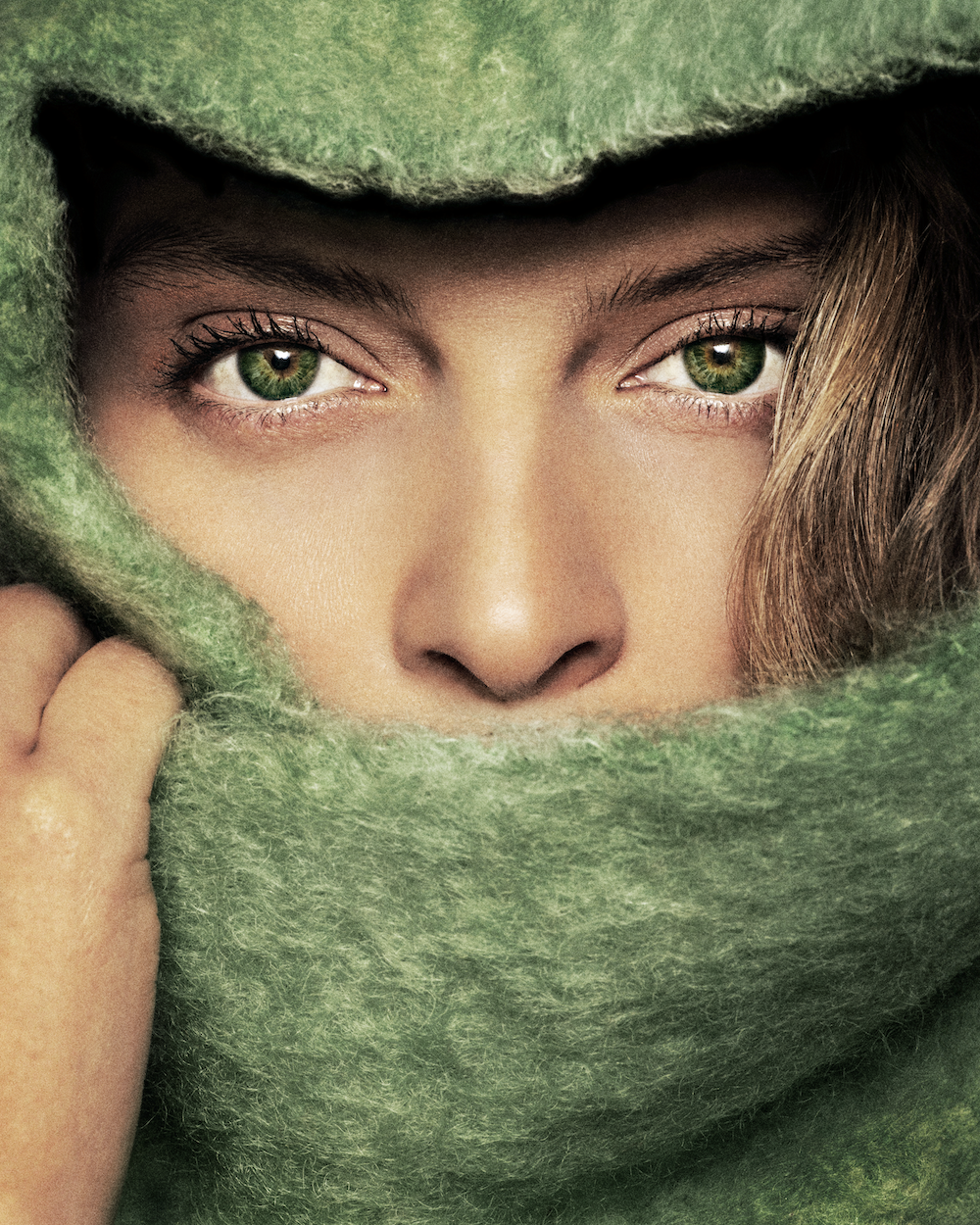
I am the subject of “Window to the Soul,” as the collection was inspired by the manifesto “Digitals” and it was the first photographer to open the collection. It includes three more pieces: “Faith,” and “Madonna.” These photos were shot in 2023 by Cory Vanderploeg, a photographer who collaborates with Plato, but the series wasn’t completed until 2024. During the summer shutdown of Columbia University, I met Jake Borden, an anthropology student and photographer, and asked him the same question, “What is Human Value to you?” His response led to a piece that gave direction to the series. This became my first guest contribution with the photograph “Amal,” a refugee from Lebanon, which we included as exhibit-only. Later in the year, I met Claudia Rosel, a photojournalism student at Columbia University. We connected over shared themes of visual ethics and empowering the subject. Her work completed the collection, and she became my second curated guest in the series.
As a Costa Rican artist, how do your cultural roots influence your art? Do you see specific cultural values or experiences reflected in the work you create?
I am part of one of the few generations in the world to grow up in a country without an army. In Costa Rica, it was abolished in 1948, and the resources were redirected toward healthcare and education. You’d be amazed at what an educated, happy, and safe community can make you feel like. This is one of the reasons people love visiting Costa Rica. It’s also because we prioritize protecting our environment, and natural intelligence is deeply embedded in our essence and identity.
Your background in fitness and wellness is also an important part of your identity. Do you see a connection between your wellness work and your artistic practice? How do they complement each other?
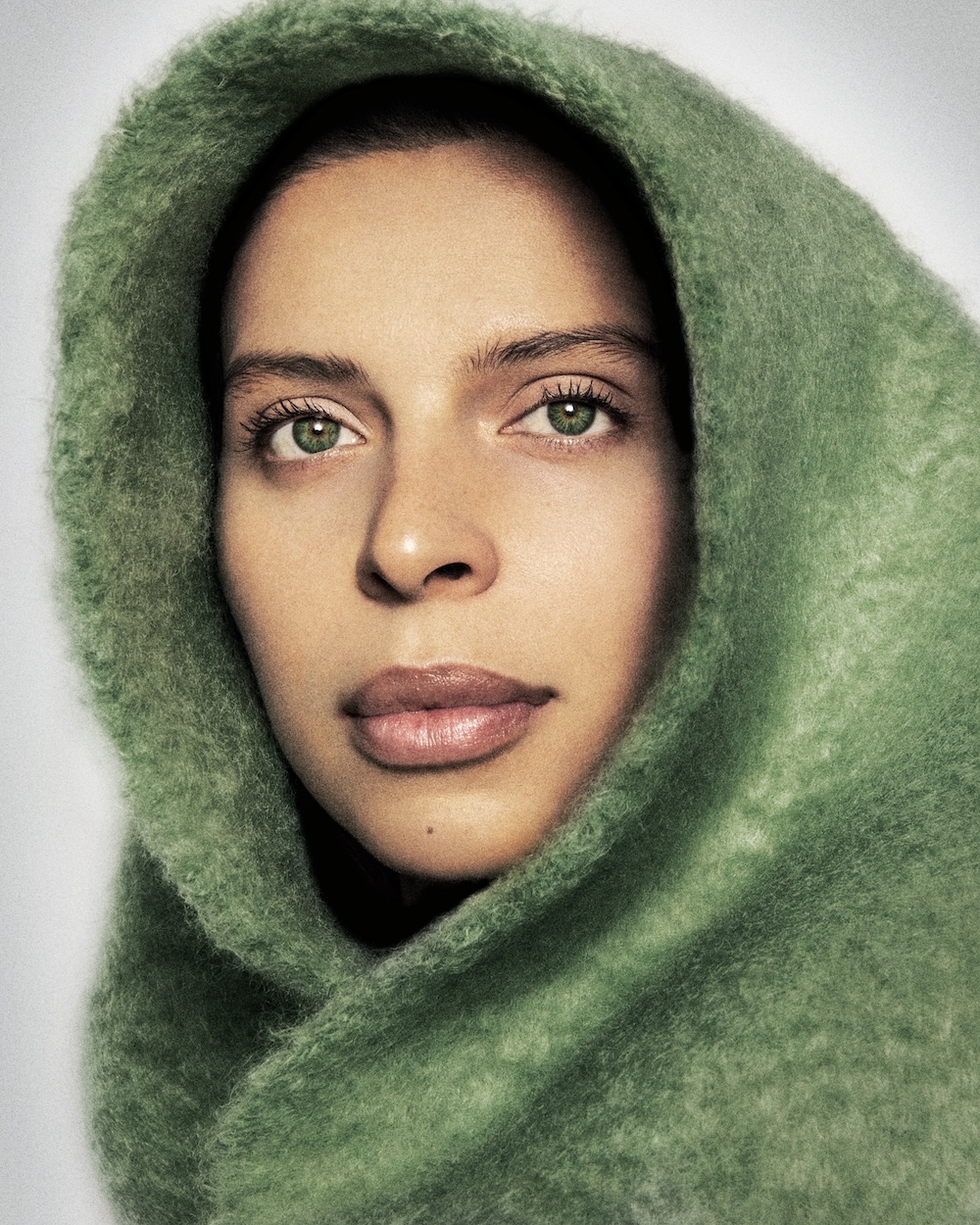
Wellness is at the forefront of my work, from physical to mental fitness; our mind and body are deeply interconnected. Energy flows through movement, which is why I love dancing, yoga, and modeling. Emotions are energy in motion. The creative process can sometimes feel overwhelming and chaotic, and during those moments I move to transform that energy and often listen to music while working, though there are times when I need complete silence. I like creating from a place of well-being, and it’s always a balancing act and it’s never over or perfect. Sometimes it is about drinking more water, moving, or calling a friend. Wellness is a wheel, and it is not static. My intention is to create from source energy, clarity, and purpose since it impacts how I influence the world. My practice often includes visualization, journaling, and meditation.
For artists who want to use their work to create change or address social issues, what advice would you give? What do you think is the most powerful way to communicate a message through art?
In social-emotional learning, we understand that the creative process begins with ourselves. By understanding the self, we can build better relationships with others, which in turn create stronger communities. Finding quiet time to truly listen to and connect with your inner voice will always guide you toward something greater than yourself, and that is how we impact the world. Practice allows you to co-create with the universe and sharpen your intuition. Trust the process and keep going.